
 Furniture
 EN
EN
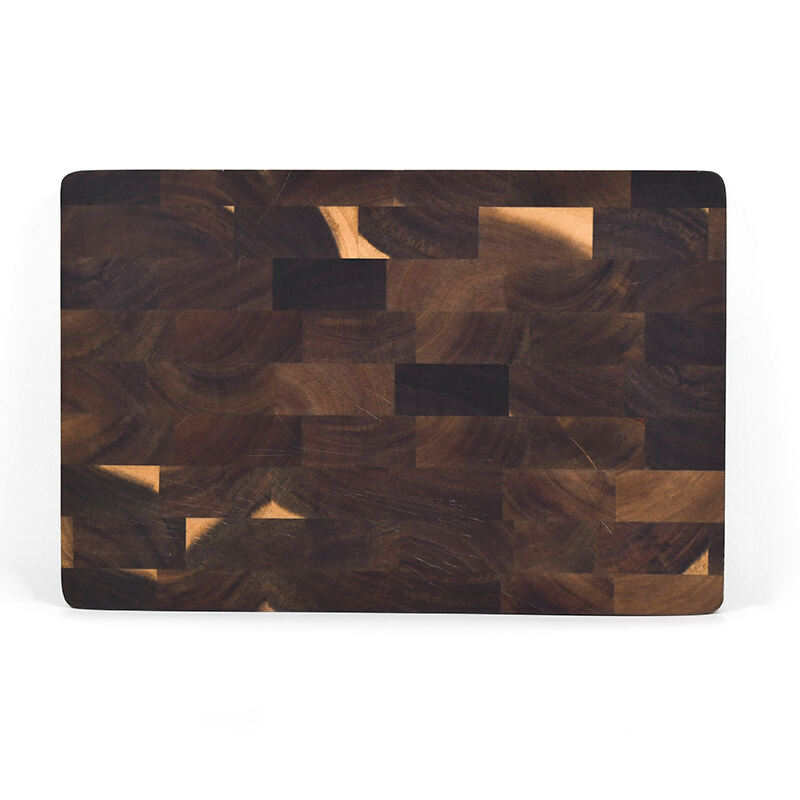
The hospitality industry has witnessed a remarkable surge in the popularity of charcuterie boards, transforming these artisanal food presentations from simple appetizers into sophisticated culinary experiences. This trend reflects a broader shift toward elevated dining experiences that emphasize quality, presentation, and social interaction. Restaurants, hotels, and event venues are increasingly incorporating charcuterie boards into their offerings as they recognize their appeal to modern consumers who value both visual aesthetics and premium ingredients.
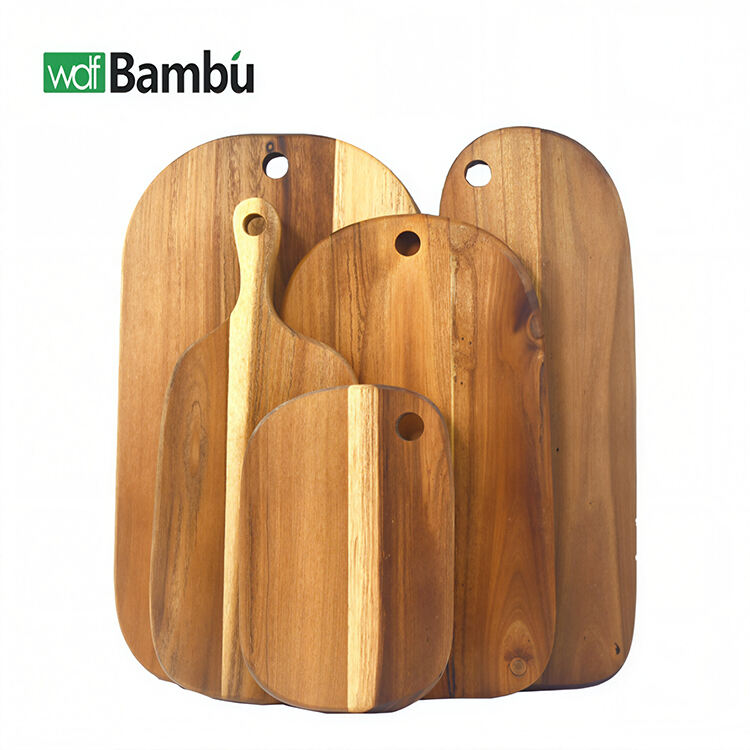
The appeal of charcuterie boards extends beyond their culinary merits to encompass their role as conversation starters and Instagram-worthy presentations. Hospitality professionals have discovered that these carefully curated displays of meats, cheeses, and accompaniments create memorable experiences that guests eagerly share on social media platforms. This organic marketing potential has made charcuterie boards an invaluable asset for establishments seeking to enhance their brand visibility and attract new customers through visual storytelling.
The Evolution of Charcuterie in Modern Hospitality
Historical Context and Contemporary Adaptation
Traditional charcuterie practices originated in European culinary traditions, where preserving meats was essential for food security. Today's hospitality industry has transformed these ancient techniques into sophisticated presentation formats that celebrate both craftsmanship and creativity. Modern charcuterie boards incorporate diverse elements including artisanal cheeses, seasonal fruits, gourmet crackers, and specialty condiments that reflect local and international flavor profiles.
The adaptation of charcuterie boards in contemporary hospitality settings demonstrates how traditional food practices can evolve to meet modern consumer expectations. Establishments now customize their offerings to accommodate dietary restrictions, seasonal availability, and regional preferences while maintaining the authentic spirit of traditional charcuterie craftsmanship. This flexibility has contributed significantly to their widespread adoption across various hospitality segments.
Premium Positioning and Value Perception
Hospitality businesses have recognized that charcuterie boards command premium pricing while offering excellent profit margins compared to traditional appetizer options. The perceived value stems from the careful curation of high-quality ingredients and the artistic presentation that suggests culinary expertise and attention to detail. Guests willingly pay higher prices for experiences that feel exclusive and thoughtfully prepared.
The premium positioning of charcuterie boards aligns perfectly with the hospitality industry's broader trend toward experiential dining. These presentations satisfy consumer desires for authenticity, quality, and visual appeal while providing establishments with opportunities to showcase their culinary creativity and sourcing expertise. The result is a win-win scenario where guests receive exceptional value and businesses achieve strong profitability.
Consumer Psychology and Social Media Impact
Visual Appeal and Shareability Factor
The photogenic nature of well-composed charcuterie boards has made them ideal content for social media platforms, particularly Instagram and Pinterest. Hospitality establishments benefit from this natural marketing advantage as satisfied customers voluntarily share images of their experiences, effectively providing free advertising to their social networks. The visual complexity and color variety of charcuterie boards create compelling imagery that generates engagement and drives venue discovery.
Restaurant and hotel marketing teams have capitalized on this shareability factor by creating signature charcuterie presentations that become recognizable brand elements. These distinctive offerings help establishments differentiate themselves in competitive markets while building visual brand equity through consistent, high-quality presentations that customers associate with memorable experiences.
Social Dining and Group Experience Enhancement
Charcuterie boards naturally facilitate social interaction by requiring shared consumption and encouraging conversation about flavors, pairings, and preferences. This communal aspect makes them particularly attractive for group dining situations, business entertainment, and special celebrations where creating connections is paramount. Hospitality venues have leveraged this social dynamic to increase average table times and encourage additional beverage orders.
The interactive nature of charcuterie boards transforms passive dining into active engagement, where guests participate in creating their own flavor combinations and sharing discoveries with companions. This participatory element enhances the overall dining experience and creates lasting memories that encourage repeat visits and positive word-of-mouth recommendations.
Operational Benefits for Hospitality Businesses
Kitchen Efficiency and Preparation Advantages
From an operational perspective, charcuterie boards offer significant advantages in terms of preparation efficiency and kitchen workflow management. Unlike complex cooked dishes that require precise timing and temperature control, charcuterie boards can be partially prepared in advance and assembled quickly during service periods. This preparation flexibility helps restaurants manage peak demand periods more effectively while maintaining consistent quality standards.
The minimal cooking requirements for charcuterie boards also reduce kitchen equipment usage and energy costs while freeing up cooking stations for other menu items. This operational efficiency becomes particularly valuable during busy service periods when kitchen capacity constraints can limit throughput and affect customer satisfaction levels.
Inventory Management and Waste Reduction
Charcuterie boards provide hospitality operators with excellent inventory utilization opportunities, as many components have extended shelf lives when properly stored. This characteristic reduces food waste compared to fresh ingredients that require immediate consumption. Additionally, the flexibility to adjust portions and substitute ingredients based on availability helps maintain consistent offerings even when specific items are unavailable.
Smart inventory management for charcuterie boards allows establishments to optimize purchasing decisions and reduce carrying costs while ensuring consistent availability of popular items. The ability to incorporate seasonal ingredients also enables dynamic pricing strategies and menu variation that keeps offerings fresh and exciting for regular customers.
Market Differentiation and Competitive Advantages
Unique Positioning in Crowded Markets
Hospitality businesses operating in competitive markets have found that distinctive charcuterie boards help establish unique brand identities that differentiate them from standard dining options. By developing signature presentations that reflect local ingredients, cultural influences, or innovative pairings, establishments create memorable experiences that encourage customer loyalty and positive reviews.
The customization possibilities inherent in charcuterie boards enable venues to cater to diverse customer preferences while maintaining operational simplicity. This adaptability proves particularly valuable for establishments serving varied customer demographics or operating in markets with specific dietary requirements and cultural considerations.
Revenue Stream Diversification
Many hospitality businesses have expanded their revenue streams by offering charcuterie boards for catering services, private events, and retail sales. These additional applications leverage existing inventory and expertise while creating new income opportunities that extend beyond traditional dining services. The portability and visual appeal of charcuterie boards make them excellent options for off-site events and special occasions.
Event planners and corporate clients particularly value charcuterie boards for their combination of sophistication and practicality. These presentations work well for cocktail receptions, business meetings, and celebration gatherings where elegant food options that accommodate various dietary preferences are essential for successful events.
Quality Standards and Presentation Excellence
Ingredient Sourcing and Quality Control
Successful implementation of charcuterie boards requires careful attention to ingredient quality and sourcing practices. Hospitality establishments must develop relationships with reliable suppliers who can provide consistent quality meats, cheeses, and accompaniments that meet safety standards and flavor expectations. This sourcing expertise becomes a competitive advantage that distinguishes professional operations from amateur attempts.
Quality control procedures for charcuterie boards involve temperature management, rotation schedules, and presentation standards that ensure food safety while maintaining visual appeal. These operational requirements demand staff training and systematic approaches that integrate seamlessly with existing food service protocols.
Staff Training and Presentation Skills
The artistic aspect of charcuterie boards requires specialized training for kitchen and service staff who must understand flavor pairings, presentation techniques, and customer service approaches specific to these offerings. Investment in staff development pays dividends through improved customer satisfaction and operational consistency that supports brand reputation.
Training programs for charcuterie boards should address both technical skills and customer interaction techniques, as staff members often field questions about ingredients, pairings, and preparation methods. Knowledgeable staff enhance the overall experience and contribute to the premium positioning that justifies higher pricing for these offerings.
Future Trends and Industry Outlook
Innovation in Presentation and Ingredients
The continued evolution of charcuterie boards in the hospitality industry points toward increased innovation in both presentation formats and ingredient selections. Emerging trends include plant-based alternatives, international fusion elements, and interactive components that enhance customer engagement. These innovations help maintain consumer interest while accommodating changing dietary preferences and cultural influences.
Technology integration presents additional opportunities for charcuterie boards, with digital menu displays, ordering systems, and social media integration enhancing the customer experience. Smart establishments are exploring ways to combine traditional craftsmanship with modern technology to create unique value propositions that appeal to tech-savvy consumers.
Market Expansion and Adaptation Opportunities
The success of charcuterie boards in traditional dining settings has opened opportunities for expansion into new hospitality segments including corporate dining, healthcare facilities, and educational institutions. These markets present unique challenges and requirements that forward-thinking operators can address through adapted presentations and service models.
Geographic expansion of charcuterie board concepts also presents opportunities for cultural adaptation and localization that can create distinctive regional variations. Understanding local preferences, dietary restrictions, and cultural sensitivities enables successful implementation across diverse markets and customer segments.
FAQ
What makes charcuterie boards profitable for restaurants and hotels
Charcuterie boards offer excellent profit margins due to their premium pricing potential combined with relatively low preparation costs and minimal cooking requirements. The perceived value from artisanal presentation and quality ingredients justifies higher menu prices, while efficient preparation processes reduce labor costs. Additionally, many components have extended shelf lives, reducing waste and inventory carrying costs compared to fresh menu items that require immediate consumption.
How do charcuterie boards enhance customer experience in hospitality settings
Charcuterie boards create engaging social experiences that encourage interaction and extend table occupancy times. Their visual appeal generates social media sharing, providing organic marketing benefits while the interactive nature of shared consumption fosters conversation and connection among diners. The customization possibilities allow establishments to accommodate diverse dietary preferences while maintaining consistent quality and presentation standards.
What operational considerations should hospitality businesses address when implementing charcuterie boards
Successful charcuterie board implementation requires careful attention to supplier relationships for quality ingredients, staff training for proper presentation techniques, and food safety protocols for temperature control and rotation schedules. Establishments must also consider inventory management systems that accommodate varied shelf lives and seasonal availability while maintaining consistent offerings that meet customer expectations.
How can hospitality venues differentiate their charcuterie board offerings in competitive markets
Differentiation strategies include developing signature presentations using local ingredients, creating themed variations that reflect cultural influences or seasonal availability, and offering customization options for dietary restrictions or special occasions. Venues can also leverage unique serving methods, educational components about ingredients and pairings, and exclusive supplier relationships that provide access to specialty items not available to competitors.
Table of Contents
- The Evolution of Charcuterie in Modern Hospitality
- Consumer Psychology and Social Media Impact
- Operational Benefits for Hospitality Businesses
- Market Differentiation and Competitive Advantages
- Quality Standards and Presentation Excellence
- Future Trends and Industry Outlook
-
FAQ
- What makes charcuterie boards profitable for restaurants and hotels
- How do charcuterie boards enhance customer experience in hospitality settings
- What operational considerations should hospitality businesses address when implementing charcuterie boards
- How can hospitality venues differentiate their charcuterie board offerings in competitive markets
 Read More
 Home
Home