
 Furniture
 EN
EN
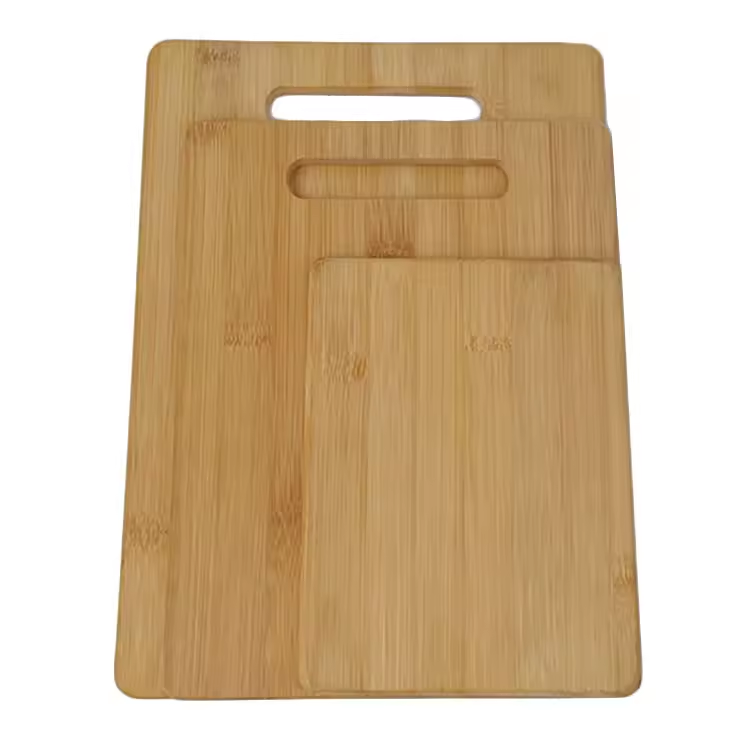
Restaurant owners understand that every detail contributes to their brand's success, from menu design to kitchen equipment selection. When it comes to pizza preparation and presentation, choosing the right tools can significantly impact both operational efficiency and customer experience. OEM wooden pizza boards have emerged as a preferred choice for establishments seeking to combine functionality with authentic aesthetic appeal. These specialized boards offer restaurants the opportunity to create custom-branded tools that align with their unique identity while ensuring optimal performance during pizza preparation and service.
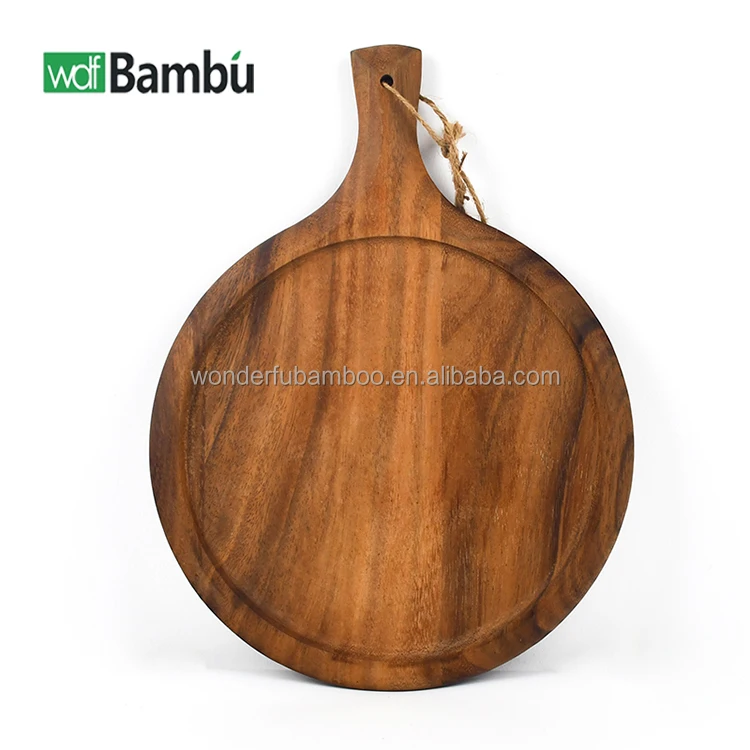
The food service industry has witnessed a remarkable shift toward personalized equipment solutions, with restaurants increasingly recognizing the value of branded tools in their operations. OEM wooden pizza boards represent more than just functional equipment; they serve as extensions of a restaurant's brand identity. Professional kitchens demand tools that can withstand rigorous daily use while maintaining their appearance and performance standards. Wood-based pizza boards offer the perfect balance of durability, heat resistance, and natural antimicrobial properties that make them ideal for commercial food preparation environments.
Understanding OEM Manufacturing for Restaurant Equipment
Benefits of Original Equipment Manufacturing
Original Equipment Manufacturing provides restaurants with the opportunity to develop custom solutions tailored to their specific operational needs. When partnering with OEM manufacturers for wooden pizza boards, restaurants can specify exact dimensions, wood types, and finishing options that align with their kitchen workflows and brand requirements. This level of customization ensures that each board meets the precise standards required for professional pizza preparation while incorporating unique design elements that distinguish the restaurant's equipment from generic alternatives.
OEM wooden pizza boards offer superior quality control compared to mass-produced alternatives, as manufacturers can implement strict quality assurance protocols throughout the production process. Restaurant owners benefit from direct communication with manufacturers, allowing them to request modifications or improvements based on their operational experience. This collaborative approach results in pizza boards that not only meet current needs but can be refined and improved over time as restaurant operations evolve and expand.
Customization Options and Brand Integration
The customization possibilities available through OEM manufacturing extend far beyond basic size and shape modifications. Restaurants can incorporate laser engraving, branded handles, custom edge profiles, and specialized finishes that reflect their unique aesthetic preferences. These personalization options enable establishments to create cohesive brand experiences that extend from dining room decor to kitchen equipment, reinforcing brand identity at every touchpoint of the customer experience.
Advanced customization techniques allow restaurants to integrate functional improvements into their OEM wooden pizza boards, such as specialized grip patterns, integrated measurement markings, or ergonomic handle designs. These functional enhancements improve operational efficiency while maintaining the authentic wooden aesthetic that customers associate with traditional pizza preparation methods. The ability to combine practical improvements with brand-specific design elements makes OEM manufacturing an attractive option for restaurants seeking competitive advantages in their market segments.
Material Science and Performance Characteristics
Wood Selection and Properties
The selection of appropriate wood species plays a crucial role in determining the performance and longevity of OEM wooden pizza boards. Professional-grade boards typically utilize hardwoods such as maple, beech, or birch, which offer excellent durability and resistance to warping under high-temperature conditions. These wood varieties possess tight grain structures that resist moisture absorption and provide smooth surfaces ideal for pizza dough manipulation and transfer operations.
Natural wood properties contribute significantly to the functionality of pizza boards in commercial environments. Wood's inherent thermal insulation characteristics protect hands from heat transfer while maintaining comfortable grip temperatures during high-volume service periods. Additionally, properly selected wood species exhibit natural antimicrobial properties that help maintain sanitary conditions in food preparation areas. The porous structure of wood allows for controlled moisture absorption and release, creating an optimal environment for dough handling without excessive sticking or sliding.
Manufacturing Process and Quality Assurance
OEM wooden pizza board manufacturing involves sophisticated processes designed to maximize durability and performance while maintaining consistent quality standards. Advanced kiln-drying techniques ensure optimal moisture content levels that prevent cracking and warping during temperature fluctuations common in commercial kitchen environments. Precision cutting and shaping operations create smooth, splinter-free surfaces that meet food safety regulations while providing comfortable handling characteristics for kitchen staff.
Quality assurance protocols in OEM wooden pizza production include comprehensive testing procedures that evaluate structural integrity, surface smoothness, and dimensional accuracy. Manufacturers implement multi-stage inspection processes that examine grain orientation, joint construction, and finishing quality to ensure each board meets established performance criteria. These rigorous quality control measures result in pizza boards that consistently perform at professional standards while maintaining their appearance and functionality throughout extended service periods.
Operational Advantages in Commercial Kitchens
Efficiency and Workflow Optimization
OEM wooden pizza boards contribute to operational efficiency through their optimized design characteristics that facilitate smooth pizza preparation workflows. Custom sizing options ensure boards fit perfectly within existing oven configurations and workspace layouts, minimizing handling complications and reducing preparation time per order. The natural properties of wood provide ideal surface characteristics for dough manipulation, allowing pizza makers to work more efficiently while maintaining consistent product quality.
Workflow optimization becomes particularly important during peak service periods when kitchen efficiency directly impacts customer satisfaction and revenue generation. OEM wooden pizza boards designed specifically for high-volume operations incorporate features such as reinforced construction, ergonomic handles, and balanced weight distribution that reduce fatigue and improve handling precision. These design improvements enable kitchen staff to maintain consistent performance levels throughout busy service periods while reducing the risk of accidents or product quality issues.
Maintenance and Longevity Considerations
Professional-grade OEM wooden pizza boards require specific maintenance protocols to ensure optimal performance and extended service life in commercial kitchen environments. Proper cleaning procedures involve thorough washing with appropriate sanitizers followed by complete air drying to prevent moisture-related degradation. Regular application of food-grade mineral oil helps maintain wood flexibility and prevents cracking while preserving the natural antimicrobial properties that contribute to food safety compliance.
Long-term durability of OEM wooden pizza boards depends on consistent maintenance practices and proper storage techniques that protect against environmental factors that could compromise structural integrity. Restaurants that implement comprehensive board care protocols typically achieve service lives measured in years rather than months, making these tools cost-effective investments in kitchen equipment infrastructure. The ability to refinish and restore wooden boards through sanding and re-oiling procedures further extends their useful life and maintains their professional appearance throughout their service period.
Cost Analysis and Return on Investment
Initial Investment Considerations
The initial cost of OEM wooden pizza boards represents a strategic investment that must be evaluated against long-term operational benefits and brand enhancement opportunities. While custom-manufactured boards typically require higher upfront investments compared to generic alternatives, the improved durability, performance characteristics, and brand integration possibilities often justify the additional expense through enhanced operational efficiency and marketing value.
Cost analysis for OEM wooden pizza board procurement should include factors such as customization complexity, order quantities, and delivery timelines that influence final pricing structures. Restaurants can optimize their investment by working closely with manufacturers to identify the most cost-effective combination of features and customization options that meet their operational requirements while staying within budget constraints. Volume ordering opportunities and long-term partnership agreements often provide additional cost savings that improve the overall value proposition of OEM solutions.
Long-term Value and Performance Metrics
Return on investment calculations for OEM wooden pizza boards must consider multiple performance metrics including durability, operational efficiency improvements, and brand enhancement benefits that contribute to overall restaurant profitability. High-quality wooden boards typically demonstrate superior longevity compared to alternative materials, reducing replacement frequency and associated procurement costs over extended operating periods.
Performance metrics evaluation should include quantifiable benefits such as reduced preparation time per pizza, decreased food waste due to improved handling precision, and enhanced customer perception through authentic presentation methods. These operational improvements contribute to increased throughput capacity and customer satisfaction levels that translate into measurable revenue improvements. The combination of functional benefits and brand enhancement opportunities makes OEM wooden pizza boards valuable investments for restaurants focused on long-term success and market differentiation.
Environmental and Sustainability Factors
Sustainable Sourcing and Manufacturing
Environmental responsibility has become increasingly important for restaurant operations seeking to align with consumer preferences for sustainable business practices. OEM wooden pizza board manufacturing can incorporate sustainable sourcing protocols that ensure raw materials originate from responsibly managed forests with appropriate certification standards. These environmentally conscious sourcing practices contribute to positive brand positioning while supporting ecosystem conservation efforts.
Sustainable manufacturing processes for OEM wooden pizza boards often include energy-efficient production methods, waste reduction protocols, and environmentally friendly finishing materials that minimize environmental impact throughout the manufacturing cycle. Restaurants can partner with manufacturers who demonstrate commitment to environmental stewardship through certified sustainable practices and transparent supply chain management. This alignment with sustainability principles enhances brand reputation while contributing to broader environmental conservation goals that resonate with environmentally conscious consumers.
End-of-Life Considerations and Recycling
The natural composition of wooden pizza boards provides significant advantages in terms of end-of-life disposal and environmental impact compared to synthetic alternatives. When OEM wooden pizza boards reach the end of their service life, they can be disposed of through composting or biomass recycling programs that return organic materials to natural cycles without generating persistent waste products.
Restaurants committed to comprehensive sustainability programs can implement board lifecycle management protocols that maximize useful life through proper maintenance while planning for environmentally responsible disposal methods. The biodegradable nature of wooden boards aligns with circular economy principles that emphasize resource efficiency and waste minimization. This environmental compatibility supports restaurant sustainability initiatives while demonstrating corporate responsibility to customers and stakeholders who value environmental stewardship in business operations.
FAQ
What makes OEM wooden pizza boards superior to mass-produced alternatives
OEM wooden pizza boards offer superior customization options, quality control, and durability compared to mass-produced alternatives. The manufacturing process allows for precise specifications regarding wood selection, dimensions, and finishing options that align with specific operational requirements. Quality control protocols ensure consistent performance standards while customization capabilities enable brand integration and functional improvements that enhance operational efficiency and customer experience.
How do wooden pizza boards compare to metal or composite alternatives in professional kitchens
Wooden pizza boards provide several advantages over metal or composite alternatives, including natural thermal insulation properties, antimicrobial characteristics, and optimal surface textures for dough handling. Wood does not conduct heat as rapidly as metal, protecting hands during high-temperature operations, while its natural porosity creates ideal conditions for pizza preparation without excessive sticking. Additionally, wooden boards offer authentic aesthetic appeal that enhances presentation and aligns with traditional pizza preparation methods that customers expect.
What maintenance protocols are required for commercial-grade wooden pizza boards
Commercial-grade wooden pizza boards require regular cleaning with appropriate sanitizers, thorough drying to prevent moisture damage, and periodic application of food-grade mineral oil to maintain wood flexibility and antimicrobial properties. Proper storage in dry environments and regular inspection for wear or damage help ensure optimal performance and food safety compliance. Establishments should implement standardized maintenance schedules and train staff on proper care procedures to maximize board longevity and performance.
Can OEM wooden pizza boards be customized with specific branding elements
Yes, OEM manufacturing processes accommodate extensive customization options including laser engraving, custom shapes, branded handles, and specialized finishes that incorporate restaurant branding elements. Advanced customization techniques can integrate logos, text, decorative patterns, and functional features such as measurement markings or ergonomic improvements. These personalization options enable restaurants to create unique tools that reinforce brand identity while maintaining professional functionality and performance standards required for commercial food service operations.
Table of Contents
- Understanding OEM Manufacturing for Restaurant Equipment
- Material Science and Performance Characteristics
- Operational Advantages in Commercial Kitchens
- Cost Analysis and Return on Investment
- Environmental and Sustainability Factors
-
FAQ
- What makes OEM wooden pizza boards superior to mass-produced alternatives
- How do wooden pizza boards compare to metal or composite alternatives in professional kitchens
- What maintenance protocols are required for commercial-grade wooden pizza boards
- Can OEM wooden pizza boards be customized with specific branding elements
 Read More
 Home
Home