
 Furniture
 EN
EN
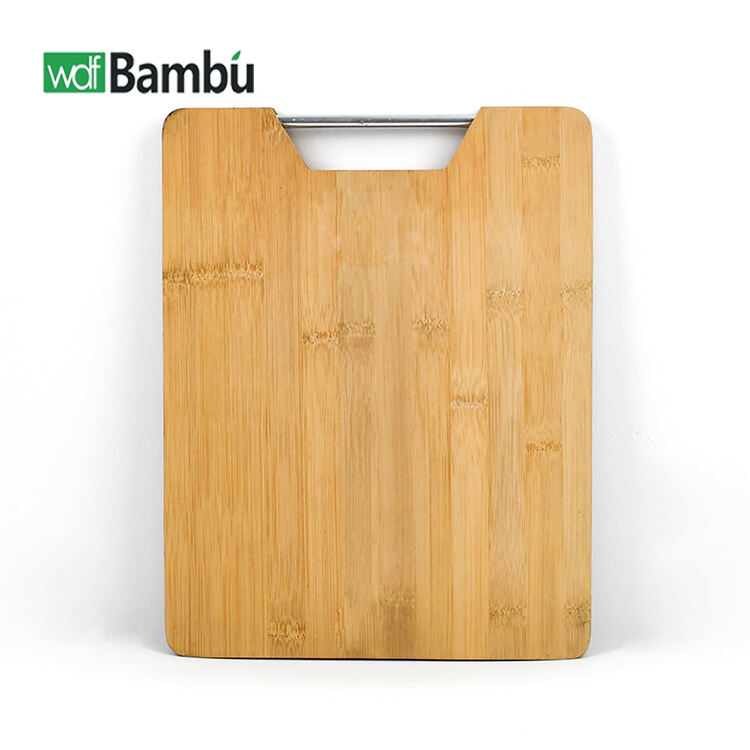
Professional chefs and home cooks alike understand that preserving knife sharpness is crucial for both safety and efficiency in the kitchen. When selecting the ideal cutting surface, many culinary enthusiasts are discovering that a bamboo cutting board offers superior knife-friendly properties compared to traditional alternatives like plastic, glass, or hardwood surfaces. The unique fiber structure and natural composition of bamboo create an optimal balance between durability and gentleness, making it an increasingly popular choice for knife preservation.
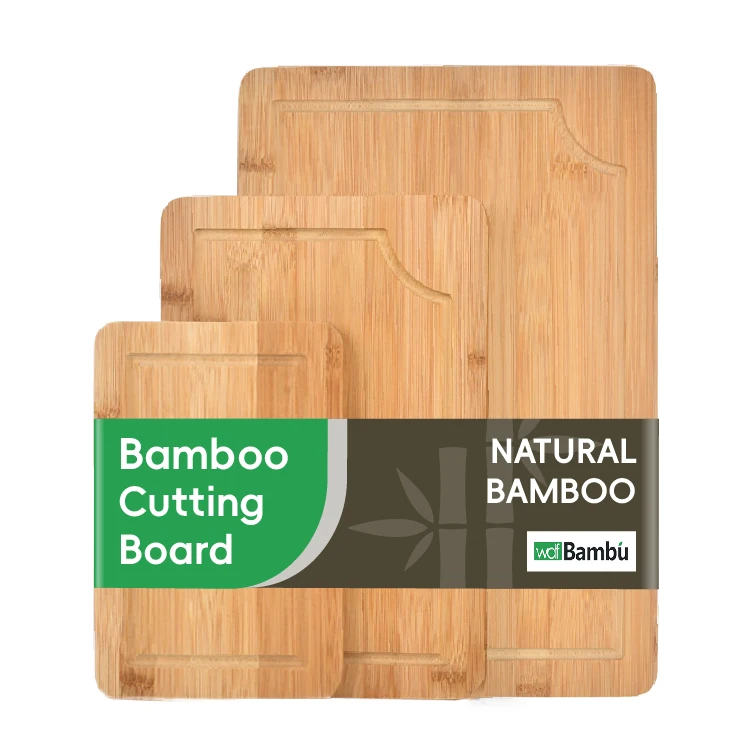
Understanding the relationship between cutting board materials and knife longevity requires examining the microscopic interactions that occur during food preparation. Unlike harder surfaces that can chip or dull blade edges, bamboo provides a forgiving yet stable platform that maintains its integrity while protecting your valuable kitchen tools. This comprehensive analysis explores the scientific principles behind bamboo's knife-preserving qualities and compares its performance against other common cutting board materials.
Understanding Bamboo's Unique Material Properties
Natural Fiber Structure and Density
The cellular structure of bamboo differs significantly from traditional hardwoods, creating distinct advantages for knife preservation. Bamboo fibers run vertically through the culm, creating a natural cushioning effect that absorbs the impact of knife strikes without excessive resistance. This vertical grain orientation allows knife blades to penetrate slightly into the surface without encountering the cross-grain hardness found in many hardwood cutting boards. The result is reduced friction and stress on blade edges during cutting motions.
The density of bamboo typically ranges from 600 to 800 kilograms per cubic meter, positioning it in an optimal range for cutting board applications. This density provides sufficient stability to prevent excessive scoring while remaining soft enough to minimize blade damage. Unlike denser materials such as maple or oak, which can exceed 700 kilograms per cubic meter, a bamboo cutting board maintains the perfect balance between durability and knife-friendliness.
Moisture Management and Dimensional Stability
Bamboo's natural moisture management properties contribute significantly to its knife-preserving characteristics. The material's inherent ability to absorb and release moisture gradually helps maintain dimensional stability, preventing the warping and splitting that can create uneven cutting surfaces. When cutting boards warp or develop cracks, they create irregular contact points that can damage knife edges through uneven pressure distribution.
The hygroscopic nature of bamboo allows it to maintain consistent surface conditions across varying humidity levels. This stability ensures that your bamboo cutting board provides uniform support for knife blades, eliminating the microscopic impacts that occur when cutting on warped or uneven surfaces. Professional culinary schools increasingly recognize these benefits, incorporating bamboo cutting surfaces into their knife care curricula.
Comparative Analysis with Alternative Cutting Board Materials
Plastic Cutting Boards and Knife Dulling
Plastic cutting boards, particularly those made from high-density polyethylene or polypropylene, present significant challenges for knife maintenance. While initially softer than wood or bamboo, plastic surfaces develop microscopic grooves and scoring marks that create abrasive conditions for knife blades. These surface imperfections act like sandpaper, gradually wearing down blade edges with each cutting motion.
The synthetic nature of plastic also means it lacks the self-healing properties found in natural materials. When a knife cuts into plastic, it creates permanent grooves that accumulate food particles and bacteria while simultaneously creating rough surfaces that accelerate blade dulling. Research conducted by culinary institutes demonstrates that knives used exclusively on plastic surfaces require sharpening up to three times more frequently than those used on properly maintained bamboo surfaces.
Glass and Stone Surfaces Impact on Blade Edges
Glass and stone cutting surfaces represent the most damaging options for knife preservation, despite their aesthetic appeal and easy cleaning properties. These materials possess hardness ratings significantly higher than steel knife blades, creating conditions where the blade edge chips and dulls rapidly upon contact. The Mohs hardness scale illustrates this disparity, with typical kitchen knives rating around 5.5 to 6.0, while glass measures approximately 6.5 to 7.0.
Professional chefs universally avoid glass and stone cutting surfaces for knife work, recognizing that even minimal use on these materials can destroy months of careful blade maintenance. The impact forces generated during cutting on these hard surfaces create microscopic fractures in blade edges, leading to rapid deterioration that requires professional restoration. In contrast, a bamboo cutting board provides the ideal hardness level to support effective cutting while preserving blade integrity.
Scientific Principles Behind Knife Edge Preservation
Hardness Scale Relationships and Optimal Cutting Conditions
The relationship between cutting board hardness and knife preservation follows established materials science principles. Optimal knife performance occurs when the cutting surface hardness measures approximately 20-30% softer than the blade material. Bamboo naturally falls within this optimal range, providing sufficient resistance for clean cuts while yielding enough to prevent edge damage.
This hardness relationship explains why bamboo cutting board users report extended periods between knife sharpenings. The material's natural give allows blade edges to penetrate slightly without encountering excessive resistance, distributing cutting forces more evenly across the blade length. Professional knife makers specifically recommend bamboo surfaces for maintaining their products, recognizing the superior edge retention achieved through proper surface selection.
Microscopic Surface Interactions and Friction Reduction
Advanced microscopy reveals the superior surface characteristics that make bamboo cutting board options ideal for knife preservation. The natural pore structure of bamboo creates microscopic valleys that provide space for blade edges to settle without creating damaging contact points. These surface irregularities, invisible to the naked eye, function as tiny shock absorbers that reduce the impact forces transmitted to knife edges during cutting motions.
The coefficient of friction between steel knife blades and bamboo surfaces measures significantly lower than most alternative materials. This reduced friction translates to less heat generation during cutting, preventing the thermal stress that can weaken blade temper and accelerate dulling. Commercial kitchen studies demonstrate that knives maintain their factory sharpness up to 40% longer when used exclusively on bamboo surfaces compared to plastic or composite alternatives.
Practical Maintenance Techniques for Optimal Performance
Proper Cleaning and Sanitization Methods
Maintaining your bamboo cutting board properly ensures continued knife-friendly performance while extending the board's useful life. Unlike plastic surfaces that require harsh scrubbing to remove embedded particles, bamboo's natural antimicrobial properties simplify cleaning while preserving the smooth surface texture essential for knife protection. Regular cleaning with mild soap and warm water removes food residues without damaging the fiber structure.
The key to effective bamboo cutting board maintenance lies in avoiding excessive moisture exposure and harsh chemical cleaners. Prolonged soaking or dishwasher cleaning can compromise the material's dimensional stability, potentially creating surface irregularities that negatively impact knife performance. Professional-grade bamboo boards respond well to periodic mineral oil treatments that maintain surface smoothness while preventing moisture-related degradation.
Surface Conditioning and Restoration Techniques
Even the highest quality bamboo cutting board benefits from periodic surface conditioning to maintain optimal knife-friendly characteristics. Light sanding with fine-grit sandpaper removes minor surface imperfections and restores the smooth texture that protects blade edges. This maintenance process, performed quarterly in high-use environments, ensures consistent surface conditions that preserve knife sharpness.
Professional chefs often employ specialized bamboo conditioners that penetrate the fiber structure to maintain flexibility and prevent cracking. These treatments create a protective barrier that repels moisture while maintaining the natural give essential for knife preservation. Regular conditioning extends board life significantly while ensuring continued protection for valuable knife investments.
Professional Kitchen Applications and Industry Standards
Commercial Kitchen Adoption Trends
Restaurant kitchens increasingly specify bamboo cutting board solutions for knife-intensive operations, recognizing the significant cost savings achieved through reduced blade maintenance. Professional knife sharpening services report that establishments using bamboo surfaces require service intervals 2-3 times longer than those using traditional plastic boards. This extended service life translates to substantial operational savings in high-volume food service environments.
Culinary schools now incorporate bamboo cutting board selection into their equipment curricula, teaching future chefs about the relationship between surface selection and knife longevity. These educational programs emphasize that proper cutting surface selection represents one of the most cost-effective approaches to maintaining professional knife collections while ensuring consistent food preparation results.
Health Department Compliance and Safety Considerations
Modern health department regulations increasingly recognize bamboo cutting board options as suitable for commercial food service applications. The material's natural antimicrobial properties, combined with proper maintenance protocols, meet or exceed safety standards while providing superior knife preservation benefits. Many jurisdictions now specifically approve bamboo surfaces for professional kitchens, acknowledging their performance advantages over traditional alternatives.
Food safety experts appreciate bamboo's resistance to deep scoring that can harbor bacteria in plastic boards. The self-healing properties of bamboo fibers help close minor cuts, preventing the formation of persistent grooves that compromise both hygiene and knife performance. This dual benefit makes bamboo cutting board selections increasingly attractive for operations prioritizing both food safety and equipment preservation.
Economic Benefits and Long-term Value Analysis
Cost Comparison with Traditional Knife Maintenance
The economic advantages of selecting a bamboo cutting board become apparent when analyzing long-term knife maintenance costs. Professional knife sharpening services typically charge between fifteen and thirty dollars per blade, depending on the knife quality and required restoration work. By extending the time between sharpenings, bamboo surfaces can save serious home cooks and professionals hundreds of dollars annually in maintenance expenses.
High-quality chef's knives represent significant investments, often costing several hundred dollars per blade. The accelerated wear caused by inappropriate cutting surfaces can necessitate premature replacement of expensive kitchen tools. Bamboo cutting board users report knife lifespans extended by 50-70% compared to those using plastic or composite surfaces, providing substantial return on investment for quality-conscious cooks.
Replacement Frequency and Lifecycle Analysis
Durability studies demonstrate that properly maintained bamboo cutting board products outlast plastic alternatives by significant margins while maintaining superior performance characteristics throughout their service life. The natural regenerative properties of bamboo fibers allow these boards to maintain their knife-friendly surface texture far longer than synthetic materials, which develop permanent scoring and rough patches.
Environmental considerations also favor bamboo selection, as the rapid growth rate and renewable nature of bamboo make it a sustainable choice for environmentally conscious consumers. Unlike hardwood boards that require decades of tree growth, bamboo reaches maturity in just three to five years, making it an eco-friendly option that doesn't compromise performance or knife preservation benefits.
FAQ
How often should I replace my bamboo cutting board to maintain optimal knife protection
A high-quality bamboo cutting board typically maintains its knife-friendly properties for three to five years with proper care and maintenance. Signs that replacement is needed include deep permanent grooves, persistent staining that cannot be removed through cleaning, or warping that creates uneven cutting surfaces. Regular conditioning with mineral oil and proper cleaning techniques can significantly extend the useful life of bamboo boards while maintaining their blade-preserving characteristics.
Can bamboo cutting boards accommodate all types of kitchen knives safely
Bamboo cutting boards provide excellent protection for virtually all kitchen knife types, including high-carbon steel, stainless steel, and ceramic blades. The material's optimal hardness level makes it suitable for everything from delicate paring knives to heavy cleavers. However, avoid using bamboo boards for extremely hard tasks like bone cutting or frozen food preparation, which can damage both the board surface and knife edges regardless of the cutting surface material.
What maintenance routine best preserves both the bamboo cutting board and my knives
Optimal maintenance involves cleaning the bamboo cutting board immediately after use with mild soap and warm water, followed by thorough drying to prevent moisture damage. Apply food-grade mineral oil monthly to maintain surface smoothness and prevent cracking. Avoid soaking the board or placing it in dishwashers, as excessive moisture can compromise the fiber structure and create surface irregularities that may damage knife edges.
Do bamboo cutting boards require special knives or cutting techniques
Bamboo cutting boards work optimally with standard kitchen knives and conventional cutting techniques. The material's forgiving nature actually makes it more tolerant of various cutting styles compared to harder surfaces like glass or stone. However, maintaining sharp knives enhances the bamboo cutting board experience, as dull blades require more pressure and can cause unnecessary wear to both the blade and cutting surface over time.
Table of Contents
- Understanding Bamboo's Unique Material Properties
- Comparative Analysis with Alternative Cutting Board Materials
- Scientific Principles Behind Knife Edge Preservation
- Practical Maintenance Techniques for Optimal Performance
- Professional Kitchen Applications and Industry Standards
- Economic Benefits and Long-term Value Analysis
-
FAQ
- How often should I replace my bamboo cutting board to maintain optimal knife protection
- Can bamboo cutting boards accommodate all types of kitchen knives safely
- What maintenance routine best preserves both the bamboo cutting board and my knives
- Do bamboo cutting boards require special knives or cutting techniques
 Read More
 Home
Home