
 Furniture
 EN
EN
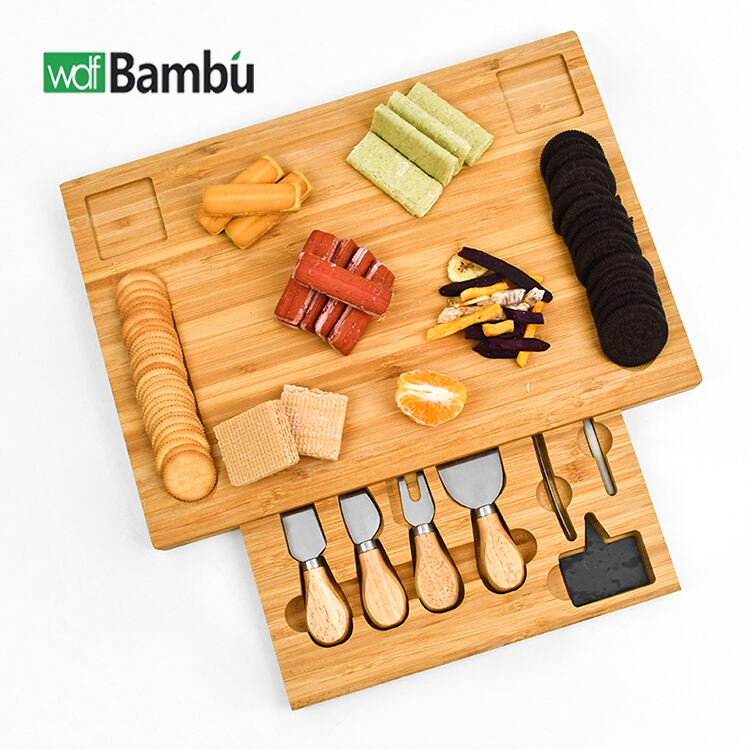
The art of home entertaining has evolved significantly in recent years, with hosts seeking elegant yet effortless ways to impress their guests. Among the most popular trends that have captured the attention of food enthusiasts and party planners alike are charcuterie boards. These carefully curated displays of meats, cheeses, fruits, nuts, and accompaniments have transformed from simple appetizer platters into stunning centerpieces that combine visual appeal with culinary excellence. The growing popularity of charcuterie boards reflects a broader shift toward interactive dining experiences that encourage conversation and create memorable moments for both hosts and guests.
The Evolution of Charcuterie in Modern Entertaining
From Traditional Roots to Contemporary Appeal
Charcuterie boards have deep historical roots that trace back to centuries-old European traditions of preserving and presenting cured meats. Originally developed as a practical method for food preservation, charcuterie has evolved into an art form that celebrates both craftsmanship and presentation. Modern charcuterie boards maintain these traditional elements while incorporating contemporary ingredients and styling techniques that appeal to today's diverse palates and dietary preferences.
The transformation of charcuterie boards from simple meat platters to elaborate entertaining displays reflects changing social dining habits. Contemporary hosts appreciate how these boards facilitate casual, interactive dining experiences that break down formal barriers and encourage guests to mingle naturally. This shift toward more relaxed entertaining styles has made charcuterie boards an essential element for successful gatherings, from intimate dinner parties to large celebrations.
The Social Media Influence on Board Design
Social media platforms have significantly influenced the popularity and presentation of charcuterie boards in recent years. Instagram and Pinterest have created a visual culture where food presentation is as important as taste, driving hosts to create increasingly elaborate and photogenic displays. This digital influence has elevated the aesthetic standards for charcuterie boards, inspiring creative arrangements that incorporate seasonal elements, color coordination, and artistic composition techniques.
The shareability factor of beautifully arranged charcuterie boards has made them a favorite choice for hosts who want to create memorable experiences that guests will want to photograph and share. This social media appeal has contributed to the widespread adoption of charcuterie boards as a go-to entertaining option, as hosts recognize the dual benefit of impressive presentation and engaging content creation opportunities.
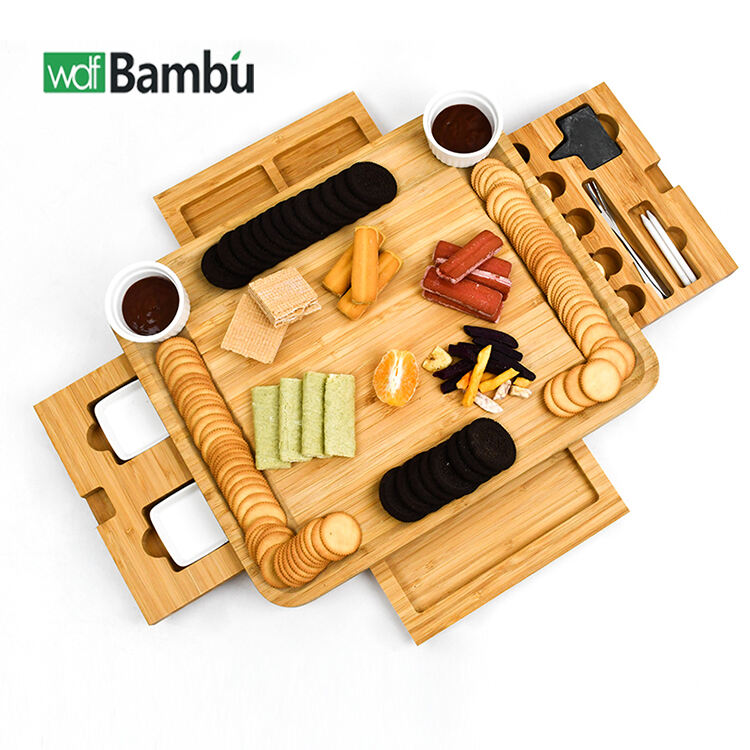
Essential Components and Design Principles
Building the Foundation with Quality Ingredients
Creating exceptional charcuterie boards begins with selecting high-quality ingredients that offer diverse flavors, textures, and visual appeal. The foundation typically includes an assortment of cured meats such as prosciutto, salami, and chorizo, each offering distinct flavor profiles that complement various cheese selections. Cheese varieties should span different milk types, aging processes, and flavor intensities, from mild brie and fresh mozzarella to aged cheddar and pungent blue cheeses.
Beyond meats and cheeses, successful charcuterie boards incorporate fresh and dried fruits, nuts, olives, pickled vegetables, and artisanal crackers or breads. These complementary elements provide textural contrast and palate-cleansing properties that enhance the overall tasting experience. The key lies in balancing familiar favorites with unexpected elements that encourage exploration and conversation among guests.
Mastering Visual Composition and Layout
The visual impact of charcuterie boards depends heavily on thoughtful composition and strategic arrangement techniques. Successful boards utilize principles of color theory, creating visual interest through strategic placement of vibrant fruits, varied cheese colors, and contrasting textures. The arrangement should guide the eye naturally across the board while ensuring easy access to all components without overcrowding any particular area.
Professional-looking charcuterie boards require attention to height variation and spatial balance. Folding meats into rosettes or ribbons, creating cheese wedges of varying sizes, and using small bowls for loose items like nuts or olives adds dimensional interest. The goal is creating an abundant appearance while maintaining organization that allows guests to easily identify and access different components.
Practical Advantages for Home Hosts
Streamlined Preparation and Minimal Cooking
One of the most compelling reasons why charcuterie boards have become essential for home entertaining is their minimal preparation requirements. Unlike elaborate cooked dishes that demand precise timing and constant attention, charcuterie boards can be assembled hours in advance, allowing hosts to focus on other aspects of their gathering. This make-ahead capability reduces stress and creates more opportunities for hosts to interact with their guests rather than remaining tied to the kitchen.
The no-cook nature of charcuterie boards makes them particularly valuable during warm weather entertaining when heavy, hot dishes feel inappropriate. They offer a sophisticated alternative to traditional barbecue fare while requiring no oven space or complex cooking techniques. This simplicity allows even novice entertainers to create impressive spreads that rival those found in upscale restaurants or specialty food shops.
Dietary Flexibility and Guest Accommodation
Modern charcuterie boards excel at accommodating diverse dietary preferences and restrictions within a single presentation. Hosts can easily incorporate vegetarian and vegan options alongside traditional meat and dairy selections, creating inclusive spreads that ensure all guests find appealing options. Plant-based alternatives like hummus, nut-based cheeses, and vegetable-based spreads can seamlessly integrate into traditional board layouts.
The component-based nature of charcuterie boards allows guests to customize their own portions according to personal preferences, allergies, or dietary restrictions. This self-serve approach eliminates the need for hosts to prepare separate dishes for different dietary needs while ensuring everyone feels included in the dining experience. The variety inherent in well-designed charcuterie boards naturally provides options for different taste preferences and nutritional requirements.
Economic and Practical Benefits
Cost-Effective Entertaining Solutions
Charcuterie boards offer excellent value for entertaining budgets when compared to traditional catered options or elaborate home-cooked meals. Hosts can scale their boards according to guest count and budget constraints, selecting premium ingredients for special occasions or more modest components for casual gatherings. The ability to purchase ingredients gradually and store non-perishable items allows for budget-friendly planning and preparation.
The impressive visual impact of well-arranged charcuterie boards often exceeds guest expectations relative to actual food costs. Strategic use of affordable base ingredients like crackers, seasonal fruits, and nuts can create abundant-looking spreads that feel luxurious without requiring significant investment in expensive items. This cost efficiency makes regular entertaining more accessible for hosts who want to maintain active social schedules without overspending.
Waste Reduction and Leftover Management
Unlike prepared dishes that may not appeal to all guests or may spoil quickly, the individual components of charcuterie boards typically store well and can be repurposed for future meals. Leftover cheeses work perfectly for cooking applications, remaining meats can be used in sandwiches or salads, and fruits and nuts maintain their quality for extended periods when properly stored.
The modular nature of charcuterie boards allows hosts to gauge guest preferences during events and adjust quantities for future gatherings accordingly. This learning process helps minimize food waste while optimizing guest satisfaction. Additionally, the variety of components means that even if certain items are not consumed during the event, they retain utility for household meal planning and preparation.
Seasonal Versatility and Year-Round Appeal
Adapting Boards for Seasonal Celebrations
The adaptability of charcuterie boards to seasonal ingredients and themes makes them suitable for year-round entertaining across various occasions and celebrations. Spring boards can highlight fresh berries, asparagus, and lighter cheeses, while summer presentations might feature stone fruits, fresh herbs, and cooling elements. Fall arrangements naturally incorporate apples, pears, nuts, and warming spices, creating cozy atmospheres perfect for harvest celebrations.
Winter charcuterie boards can embrace heartier ingredients like aged cheeses, preserved fruits, and robust cured meats that complement the season's comfort food preferences. Holiday-themed boards allow for creative incorporation of traditional seasonal elements while maintaining the sophisticated presentation that makes charcuterie boards so appealing for special occasions and formal gatherings.
Occasion-Specific Customization Options
The versatility of charcuterie boards extends beyond seasonal adaptation to accommodate specific events and celebration themes. Wedding receptions, birthday parties, corporate events, and holiday gatherings each benefit from tailored board designs that reflect the occasion's tone and guest expectations. Formal events might emphasize premium imported ingredients and elegant presentation techniques, while casual gatherings can focus on familiar favorites and interactive elements.
Themed charcuterie boards can incorporate cultural elements, color schemes, or specific ingredient profiles that align with celebration themes or guest preferences. This customization capability allows hosts to create unique experiences that feel personalized and thoughtful while maintaining the practical advantages that make charcuterie boards such reliable entertaining solutions.
Professional Presentation Techniques
Equipment and Serving Considerations
Creating restaurant-quality charcuterie boards at home requires attention to proper equipment selection and presentation techniques. The choice of serving surface significantly impacts both visual appeal and practical functionality, with wooden boards, marble slabs, and slate platforms each offering distinct aesthetic and functional advantages. Size considerations should account for guest count, available space, and transportation requirements if boards need to be moved during events.
Essential tools for professional-looking charcuterie boards include sharp cheese knives for clean cuts, small spoons for spreads and jams, and individual serving utensils that prevent cross-contamination between different components. Proper spacing and organization of these tools within the board layout ensures guests can serve themselves efficiently while maintaining the board's visual integrity throughout the event.
Advanced Styling and Presentation Methods
Elevated charcuterie boards incorporate sophisticated presentation techniques that create visual depth and professional polish. Layering elements at different heights using small bowls or platforms adds dimensional interest, while strategic use of garnishes like fresh herbs, edible flowers, or decorative picks enhances color and texture variety. These advanced techniques transform simple ingredient arrangements into stunning centerpieces that rival professional catering presentations.
Professional styling also involves careful attention to negative space and visual flow, ensuring that boards feel abundant without appearing cluttered or overwhelming. Strategic placement of anchor elements like large cheese wedges or folded meat arrangements creates visual stability, while smaller components fill spaces and add textural variety that keeps the eye engaged across the entire presentation.
FAQ
How far in advance can charcuterie boards be prepared
Charcuterie boards can typically be assembled 2-4 hours before serving, with some components prepared even earlier. Hard cheeses, cured meats, nuts, and crackers maintain quality when assembled in advance, while fresh fruits and soft cheeses should be added closer to serving time. Cover assembled boards with plastic wrap and refrigerate until 30 minutes before serving to allow cheeses to reach optimal temperature. For best results, add delicate garnishes and final touches just before guests arrive.
What is the ideal serving size for charcuterie boards per person
Plan approximately 3-4 ounces of meat and 2-3 ounces of cheese per person when charcuterie boards serve as appetizers, or 6-8 ounces of combined components per person for main course servings. Include 2-3 crackers per ounce of cheese, and add fruits, nuts, and accompaniments to create visual abundance. These portions ensure adequate variety while preventing excessive leftovers, though quantities should be adjusted based on guest preferences and other menu items being served.
Which cheeses work best for charcuterie boards
Successful charcuterie boards include 3-5 cheese varieties spanning different textures, flavors, and milk types for optimal variety. Include one soft cheese like brie or camembert, one hard aged cheese such as cheddar or gouda, and one blue cheese for complexity. Fresh cheeses like mozzarella or goat cheese add creamy textures, while semi-hard options like gruyere provide nutty flavors. Choose cheeses with varying intensities to accommodate different palate preferences and create interesting flavor combinations with accompanying elements.
How should charcuterie boards be stored after events
Properly wrap and refrigerate leftover components separately within two hours of serving to maintain quality and safety. Hard cheeses can be rewrapped and stored for several weeks, while cured meats should be consumed within 3-5 days. Store crackers in airtight containers to maintain crispness, and refrigerate fresh fruits and soft cheeses for immediate consumption. Nuts and dried fruits can be stored at room temperature in sealed containers for extended periods, making them excellent options for future board preparations.
 Read More
 Home
Home