
 Furniture
 EN
EN
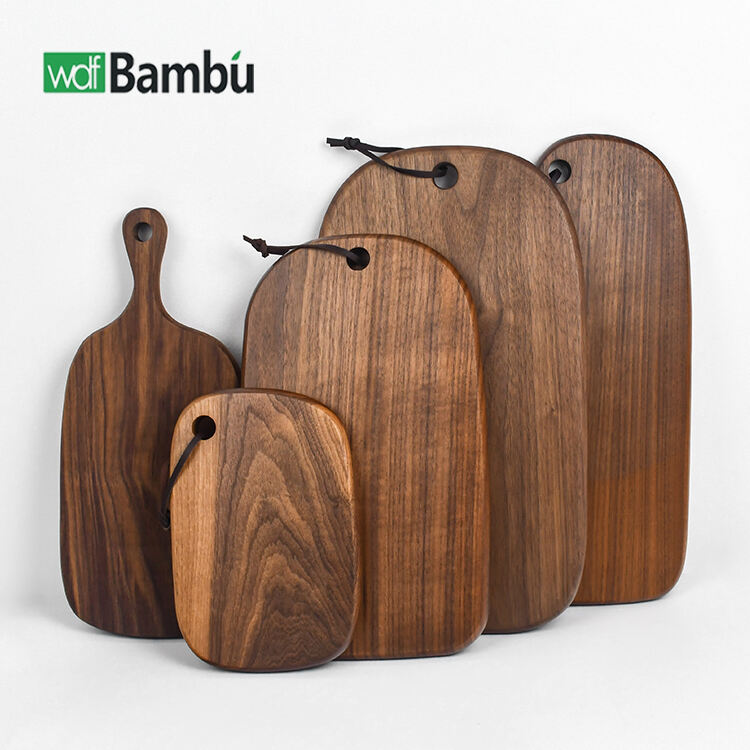
Home cooking enthusiasts are increasingly choosing natural materials for their kitchen tools, with many professional chefs and passionate home cooks making the switch from synthetic cutting surfaces to premium wooden alternatives. A wooden chopping board set offers superior functionality, durability, and aesthetic appeal that plastic boards simply cannot match. The growing preference for wooden cutting boards reflects a deeper understanding of food safety, knife preservation, and sustainable cooking practices that modern kitchens demand.
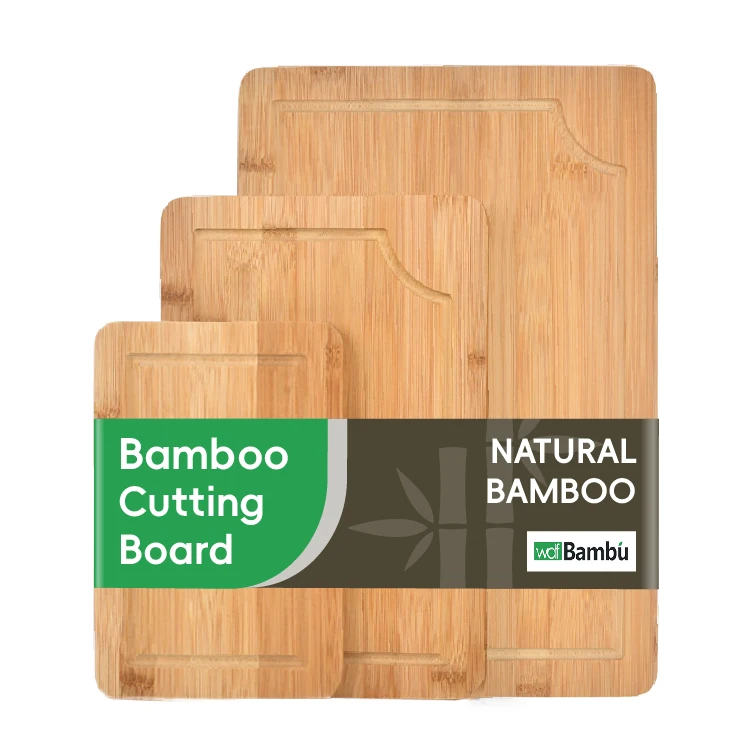
The transition from plastic to wood represents more than just a material preference—it signifies a commitment to quality cooking tools that enhance culinary experiences. Professional kitchens have long recognized the advantages of wooden cutting surfaces, and home cooks are now embracing these same principles. Understanding why wooden boards outperform plastic alternatives helps explain this significant shift in kitchen equipment preferences across households worldwide.
Superior Knife Performance and Blade Preservation
Gentle Surface Protection
One of the most compelling reasons home cooks prefer a wooden chopping board set is the remarkable knife-friendly properties of natural wood. Unlike hard plastic surfaces that can dull blade edges quickly, wood fibers compress slightly when cut, creating a forgiving surface that maintains knife sharpness for extended periods. This compression and recovery action protects expensive kitchen knives from premature dulling, reducing the frequency of professional sharpening services.
Professional chefs understand that maintaining sharp knives is essential for both safety and efficiency in food preparation. When knives remain sharp longer due to proper cutting surface selection, home cooks experience improved cutting precision, reduced preparation time, and enhanced safety during food preparation. The investment in quality wooden boards ultimately protects the larger investment in premium kitchen knives.
Enhanced Cutting Experience
The tactile experience of cutting on wood versus plastic creates a noticeable difference in food preparation quality. Wood provides natural resistance that helps control knife movement, allowing for more precise cuts and better ingredient presentation. This enhanced control becomes particularly important when preparing delicate ingredients like herbs, vegetables, or proteins that require consistent sizing for even cooking.
Many experienced home cooks report that switching to a wooden chopping board set immediately improved their knife skills and overall cooking confidence. The stable cutting surface reduces slipping and sliding, while the natural texture provides better grip for both the board and ingredients being prepared. This improved cutting experience translates directly into better cooking results and increased kitchen safety.
Natural Antimicrobial Properties and Food Safety
Inherent Bacterial Resistance
Contrary to common misconceptions, properly maintained wooden cutting boards possess natural antimicrobial properties that actually make them safer than plastic alternatives. Scientific studies have demonstrated that certain wood species contain natural compounds that actively kill harmful bacteria, creating a self-sanitizing surface when properly maintained. These antimicrobial properties work continuously, providing ongoing protection against foodborne pathogens.
The cellular structure of wood creates an environment where bacteria struggle to survive and multiply. When bacteria penetrate the wood surface, they become trapped within the wood fibers where natural antimicrobial compounds eliminate them. This biological defense system makes a high-quality wooden chopping board set inherently safer than plastic boards that can harbor bacteria in knife cuts and scratches over time.
Easy Maintenance and Sanitization
Proper care of wooden cutting boards is straightforward and effective, requiring only basic cleaning techniques and occasional conditioning. Regular washing with hot soapy water, thorough drying, and periodic oil treatment maintains both the antimicrobial properties and structural integrity of the wood. This simple maintenance routine ensures long-lasting performance and continued food safety benefits.
Unlike plastic boards that develop permanent stains and deep scratches that harbor bacteria, wooden boards can be refreshed through light sanding when necessary. This renewability means that a quality wooden chopping board set can maintain like-new performance and appearance for decades with proper care. The ability to restore and refresh wooden boards makes them a more sustainable and cost-effective choice for serious home cooks.
Environmental Sustainability and Eco-Conscious Cooking
Renewable Resource Benefits
Environmental consciousness plays an increasingly important role in kitchen equipment decisions, with many home cooks choosing sustainable alternatives to petroleum-based plastic products. Wood represents a renewable resource that, when sourced responsibly, supports sustainable forestry practices and reduces dependence on fossil fuel-derived materials. Choosing a wooden chopping board set aligns with broader environmental values while providing superior functionality.
The production of wooden cutting boards requires significantly less energy than plastic manufacturing processes, resulting in a lower carbon footprint throughout the product lifecycle. Additionally, wooden boards are completely biodegradable at the end of their useful life, unlike plastic boards that persist in landfills for centuries. This environmental advantage appeals to eco-conscious consumers who want their kitchen choices to reflect their values.
Longevity and Waste Reduction
The exceptional durability of quality wooden cutting boards means they rarely need replacement, dramatically reducing kitchen waste compared to plastic alternatives that crack, warp, or become unhygienic over time. A well-made wooden chopping board set can serve a household for decades, making it both an economical and environmentally responsible choice for sustainable cooking practices.
The ability to restore and refinish wooden boards extends their lifespan even further, allowing home cooks to maintain their cutting surfaces in excellent condition indefinitely. This longevity represents significant cost savings over time, as families avoid the recurring expense of replacing worn plastic boards. The combination of durability and renewability makes wooden boards the clear choice for environmentally conscious home cooks.
Aesthetic Appeal and Kitchen Design Integration
Natural Beauty and Warmth
Beyond functional advantages, wooden cutting boards bring natural beauty and warmth to kitchen spaces in ways that plastic simply cannot match. The rich grain patterns, natural color variations, and organic textures of wood create visual interest and complement virtually any kitchen design style. A beautiful wooden chopping board set becomes both a functional tool and an attractive design element that enhances the overall kitchen aesthetic.
Many home cooks appreciate how wooden boards can be displayed openly as part of kitchen decor, unlike plastic boards that are typically hidden away due to their utilitarian appearance. The natural beauty of wood improves with age and use, developing a patina that tells the story of countless meals prepared with care. This aging process adds character and charm that synthetic materials cannot replicate.
Versatile Design Compatibility
Wooden cutting boards seamlessly integrate with various kitchen design themes, from rustic farmhouse styles to modern minimalist aesthetics. The neutral tones and natural textures of wood complement both traditional and contemporary kitchen finishes, making wooden boards a safe choice for any decorating scheme. This versatility ensures that a wooden chopping board set will remain stylistically relevant even as kitchen designs evolve over time.
The warmth and authenticity of natural wood create an inviting atmosphere that encourages home cooking and family meal preparation. Unlike cold, sterile plastic surfaces, wooden boards contribute to the cozy, welcoming environment that makes kitchens the heart of the home. This emotional connection to natural materials enhances the overall cooking experience and makes meal preparation more enjoyable.
Practical Performance Advantages
Stability and Durability
The substantial weight and solid construction of quality wooden cutting boards provide exceptional stability during food preparation, eliminating the sliding and movement common with lightweight plastic boards. This stability improves cutting precision and reduces the risk of accidents, particularly when processing large quantities of ingredients or working with sharp knives. The confidence that comes from a stable cutting surface encourages more adventurous cooking techniques and ingredient preparation methods.
Wooden boards resist warping, cracking, and other structural damage that commonly affects plastic cutting surfaces exposed to heat and moisture. The natural flexibility of wood allows it to expand and contract with environmental changes without compromising structural integrity. This durability ensures that a wooden chopping board set maintains its performance characteristics throughout years of regular use in busy home kitchens.
Heat Resistance and Versatility
Unlike plastic boards that can melt or warp when exposed to hot cookware, wooden cutting boards offer superior heat resistance that makes them suitable for various kitchen tasks beyond simple cutting. Home cooks can safely place warm (not hot) pots and pans on wooden surfaces temporarily without causing damage. This heat tolerance adds versatility to kitchen workflows and reduces the need for additional trivets or heat-resistant surfaces.
The thermal properties of wood also provide insulation that helps maintain ingredient temperatures during preparation, which can be particularly beneficial when working with temperature-sensitive ingredients. This thermal stability contributes to better food preparation outcomes and demonstrates another practical advantage of choosing wooden cutting surfaces over synthetic alternatives.
FAQ
How do I properly maintain my wooden chopping board set
Proper maintenance of a wooden chopping board set involves regular cleaning with warm soapy water, immediate drying to prevent moisture absorption, and monthly conditioning with food-grade mineral oil or specialized wood conditioners. Never put wooden boards in the dishwasher or soak them in water for extended periods, as this can cause cracking and warping. Light sanding with fine-grit sandpaper can restore the surface when needed, followed by re-oiling to maintain the wood's protective finish.
Are wooden cutting boards really safer than plastic boards
Yes, properly maintained wooden cutting boards are generally safer than plastic alternatives due to their natural antimicrobial properties. Scientific research has shown that certain wood species actively kill bacteria that come into contact with the surface, while plastic boards can harbor harmful microorganisms in scratches and cuts that develop over time. The key to wooden board safety lies in proper maintenance, regular cleaning, and allowing the boards to dry completely between uses.
What types of wood work best for cutting boards
The best woods for cutting boards include hardwoods like maple, walnut, cherry, and bamboo, which offer the ideal combination of durability, knife-friendliness, and natural antimicrobial properties. These woods have tight grain structures that resist bacteria penetration while being gentle enough to preserve knife edges. Avoid softwoods like pine or woods with open grain patterns that can harbor bacteria and damage easily under regular use.
Can I use my wooden chopping board set for all types of food
While wooden cutting boards are safe for most food preparation tasks, many food safety experts recommend dedicating separate boards for different food categories to prevent cross-contamination. Consider using one board exclusively for raw meats, another for vegetables and fruits, and a third for bread and cooked foods. This system maximizes food safety while allowing you to enjoy the benefits of wooden cutting surfaces across all your cooking needs.
 Read More
 Home
Home