
 Furniture
 EN
EN
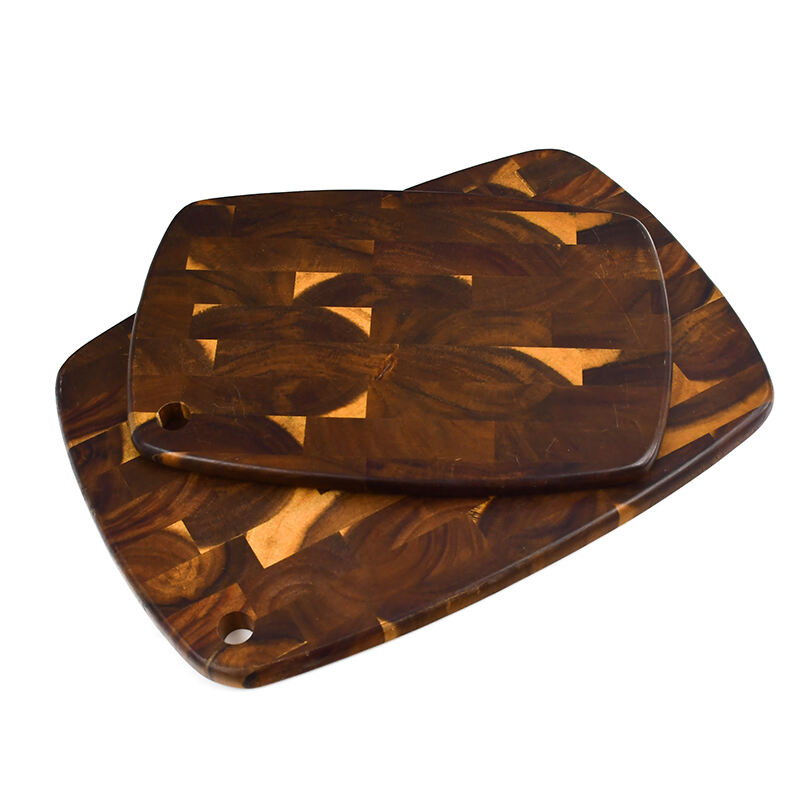
Professional kitchens and home culinary enthusiasts alike recognize the importance of selecting the right cutting surfaces for food preparation. A wooden chopping board set offers exceptional benefits that extend far beyond basic functionality, providing enhanced food safety protocols and remarkable durability that outperforms many synthetic alternatives. The natural antimicrobial properties of quality wood materials, combined with proper maintenance techniques, create an ideal environment for safe food handling while delivering long-lasting performance that justifies the investment for serious cooking applications.
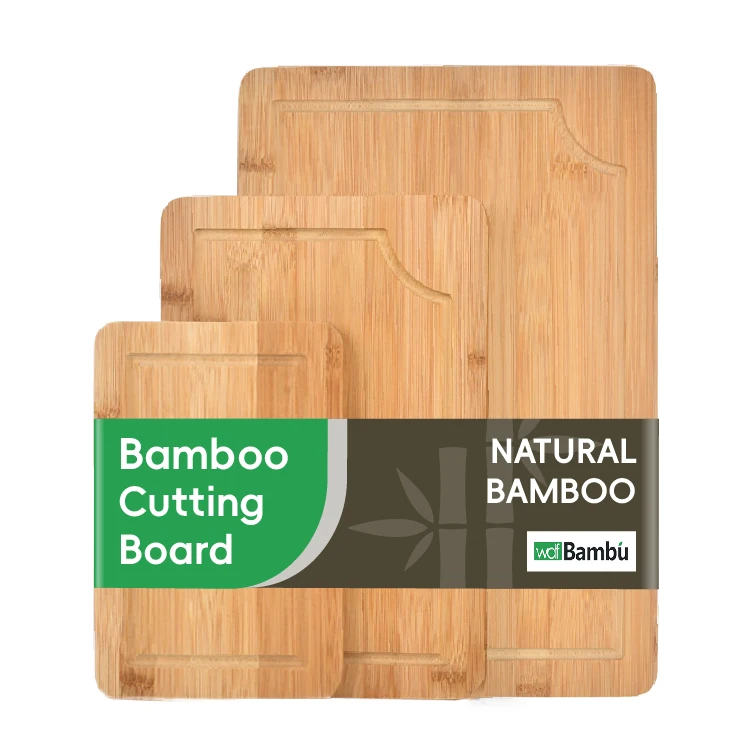
The selection of appropriate cutting surfaces directly impacts kitchen hygiene standards and operational efficiency. Modern food service establishments increasingly recognize wooden cutting boards as superior alternatives to plastic options, particularly when considering bacterial resistance and surface integrity over extended use periods. Understanding the scientific principles behind wood's natural protective properties enables informed decision-making for both commercial and residential kitchen environments.
Natural Antimicrobial Properties of Wood Materials
Scientific Research on Wood's Bacterial Resistance
Extensive laboratory studies have demonstrated that certain wood species possess inherent antimicrobial characteristics that actively inhibit bacterial growth on contact surfaces. Research conducted by food safety laboratories reveals that hardwood species like maple, cherry, and walnut contain natural compounds called extractives, which create hostile environments for pathogenic microorganisms. These biological compounds penetrate bacterial cell walls, disrupting essential cellular functions and preventing reproduction cycles that could lead to food contamination.
The cellular structure of properly processed wood creates microscopic channels that draw moisture away from surface areas, effectively dehydrating bacteria and reducing their survival rates. This natural wicking action works continuously during food preparation activities, providing ongoing protection against common foodborne pathogens including E. coli, Salmonella, and Listeria species. Laboratory testing confirms that wooden surfaces can eliminate up to 99.9% of applied bacteria within three hours under normal kitchen conditions.
Comparison with Synthetic Cutting Surfaces
Plastic cutting boards, while initially appearing more hygienic due to their non-porous appearance, actually harbor significantly more bacteria in microscopic knife grooves that develop through regular use. These shallow cuts create perfect breeding environments for microorganisms, as standard cleaning procedures cannot effectively reach these crevices. A quality wooden chopping board set maintains smoother cutting surfaces longer, as the natural healing properties of wood fibers help close minor knife marks through moisture absorption and fiber expansion.
Independent testing by food service industry laboratories consistently shows that well-maintained wooden cutting surfaces contain fewer harmful bacteria than their plastic counterparts after identical use and cleaning protocols. The natural oils present in hardwood species continue providing antimicrobial protection even after years of regular kitchen service, making wooden chopping board set options increasingly attractive for health-conscious consumers and professional food handlers.
Enhanced Durability Through Superior Construction
Hardwood Species Selection and Processing
Premium wooden chopping board set products utilize carefully selected hardwood species that offer optimal density, grain structure, and natural resistance to moisture penetration. Maple remains the gold standard for commercial applications due to its tight grain pattern and exceptional hardness rating, which resists knife damage while maintaining smooth cutting surfaces throughout extended use periods. Cherry and walnut alternatives provide similar durability characteristics while offering distinctive aesthetic appearances that complement modern kitchen designs.
The manufacturing process significantly influences final product durability, with end-grain construction methods providing superior longevity compared to face-grain alternatives. End-grain boards allow knife edges to penetrate between wood fibers rather than cutting across them, reducing surface damage and maintaining sharper blade edges for extended periods. This construction technique enables wooden cutting surfaces to self-heal minor cuts through natural fiber movement, extending usable life spans significantly beyond conventional expectations.
Edge-Grain Versus End-Grain Construction Benefits
Edge-grain wooden chopping board set options offer excellent balance between durability and cost-effectiveness, utilizing wood planks arranged with growth rings perpendicular to cutting surfaces. This orientation provides good resistance to splitting while maintaining reasonable manufacturing costs for budget-conscious buyers. Edge-grain construction delivers reliable performance for light to moderate kitchen applications, making it suitable for most residential cooking needs.
End-grain construction represents the premium tier of wooden cutting board manufacturing, arranging wood blocks with fiber ends facing upward to create incredibly durable cutting surfaces. This orientation allows knife blades to separate wood fibers rather than severing them, dramatically reducing wear on both cutting tools and board surfaces. Professional chefs prefer end-grain wooden chopping board set products for their ability to maintain sharp knife edges while providing decades of reliable service under demanding kitchen conditions.
Maintenance Protocols for Optimal Performance
Proper Cleaning and Sanitization Techniques
Effective maintenance of wooden cutting surfaces requires understanding proper cleaning protocols that preserve natural antimicrobial properties while ensuring food safety compliance. Initial cleaning should involve thorough rinsing with hot water to remove food particles, followed by gentle scrubbing with mild dish soap and a soft brush to eliminate surface contaminants. Avoid harsh detergents or bleach solutions that can damage wood fibers and compromise the board's natural protective characteristics.
Sanitization procedures for wooden chopping board set maintenance include periodic treatment with food-grade mineral oil to maintain moisture content and prevent cracking. White vinegar solutions provide effective natural sanitization without harmful chemical residues, while coarse salt acts as an abrasive agent for removing stubborn stains and odors. These natural cleaning methods preserve the wood's beneficial properties while meeting stringent food safety requirements for both commercial and residential applications.
Long-Term Care and Restoration Methods
Preventive maintenance extends the service life of quality wooden cutting surfaces through regular oiling schedules and proper storage techniques. Monthly applications of food-grade mineral oil or specialized board conditioners penetrate wood fibers, maintaining optimal moisture levels that prevent cracking and warping. Storage in well-ventilated areas away from direct heat sources helps maintain dimensional stability and prevents excessive drying that could compromise structural integrity.
Surface restoration techniques can revitalize worn wooden chopping board set pieces through careful sanding and refinishing procedures. Light sanding with progressively finer grits removes surface imperfections and knife marks, while thorough cleaning and conditioning restore the wood's natural appearance and protective properties. This restoration process can be repeated multiple times throughout the board's lifetime, providing exceptional value compared to disposable alternatives that require complete replacement.
Food Safety Standards and Regulatory Compliance
Health Department Guidelines for Wood Surfaces
Commercial food service operations must adhere to strict health department regulations regarding cutting surface materials and maintenance protocols. Most jurisdictions now recognize properly maintained wooden cutting boards as acceptable alternatives to synthetic materials, provided operators follow established cleaning and sanitization procedures. The FDA Food Code acknowledges that hardwood cutting surfaces can meet food safety requirements when properly maintained and used according to manufacturer specifications.
Regular inspection protocols ensure that wooden chopping board set installations continue meeting regulatory standards throughout their service lives. Health inspectors evaluate surface condition, cleanliness standards, and maintenance documentation to verify ongoing compliance with local food safety codes. Proper record-keeping of cleaning schedules and board condition assessments helps demonstrate due diligence in maintaining safe food preparation environments.
Cross-Contamination Prevention Strategies
Effective cross-contamination prevention requires implementing color-coded or designated-use systems for different food categories within commercial kitchens. A comprehensive wooden chopping board set should include separate boards for raw meats, poultry, seafood, vegetables, and ready-to-eat items to minimize bacterial transfer between food groups. Clear labeling and staff training ensure proper board selection for specific food preparation tasks.
Storage and handling procedures play crucial roles in preventing cross-contamination when using multiple cutting surfaces. Vertical storage racks allow proper air circulation around individual boards while preventing surface contact that could transfer contaminants. Regular rotation of board usage ensures even wear patterns and allows periodic deep cleaning of less frequently used pieces within the wooden chopping board set collection.
Cost-Effectiveness and Long-Term Value
Initial Investment Versus Replacement Costs
The initial purchase price of a quality wooden chopping board set represents a significant investment compared to basic plastic alternatives, but long-term cost analysis reveals substantial savings through extended service life and superior performance characteristics. Premium hardwood cutting boards can provide decades of reliable service with proper maintenance, while plastic boards typically require replacement every few years due to knife damage and bacterial harboring in surface cuts.
Replacement cost calculations must consider not only the board price but also the hidden costs of frequent replacements, including purchasing time, disposal fees, and kitchen downtime during board changes. A wooden chopping board set provides consistent performance throughout its extended service life, eliminating the recurring expenses associated with disposable alternatives and providing predictable operational costs for budget planning purposes.
Professional Kitchen Applications and ROI
Commercial kitchen operations benefit significantly from wooden cutting surface investments through improved efficiency, reduced knife maintenance costs, and enhanced food presentation capabilities. The superior knife-friendly properties of wood surfaces maintain sharp blade edges longer, reducing sharpening frequency and extending cutlery service life. This translates to measurable cost savings in professional environments where knife maintenance represents a significant operational expense.
Return on investment calculations for wooden chopping board set installations typically show positive results within 12-18 months of implementation in busy commercial kitchens. Factors contributing to this favorable ROI include reduced replacement costs, lower knife maintenance expenses, improved food safety compliance, and enhanced operational efficiency through superior cutting performance. These tangible benefits make wooden cutting surfaces increasingly attractive for cost-conscious food service operators.
Environmental Impact and Sustainability Considerations
Renewable Resource Management
Responsibly sourced wooden cutting boards support sustainable forestry practices that contribute to long-term environmental conservation efforts. Reputable manufacturers utilize wood from certified sustainable forests managed according to strict environmental standards that ensure forest regeneration and biodiversity protection. These practices create positive environmental impacts while providing high-quality raw materials for durable kitchen products.
The carbon footprint of wooden chopping board set production remains significantly lower than synthetic alternatives when considering the entire product lifecycle. Wood materials sequester carbon throughout their growth period, and properly maintained wooden boards can last decades before requiring disposal. End-of-life disposal options include composting or burning for energy recovery, creating minimal environmental impact compared to petroleum-based plastic alternatives that persist in landfills.
Waste Reduction Through Product Longevity
Extended service life characteristics of quality wooden cutting surfaces contribute to significant waste reduction compared to frequently replaced plastic boards. A single wooden chopping board set can eliminate dozens of plastic board replacements throughout its service life, reducing packaging waste, transportation emissions, and landfill burden. This waste reduction benefit becomes particularly significant in high-volume commercial applications where cutting board replacement frequency directly impacts environmental footprint.
Restoration capabilities further extend wooden board service life through refinishing procedures that restore original performance characteristics. Unlike plastic boards that become permanently damaged through use, wooden surfaces can be sanded, cleaned, and reconditioned multiple times to restore like-new cutting performance. This restoration capability maximizes resource utilization while minimizing waste generation throughout the product lifecycle.
FAQ
How often should wooden chopping boards be oiled for optimal maintenance
Wooden cutting boards should be oiled monthly with food-grade mineral oil or specialized board conditioner to maintain proper moisture content and prevent cracking. Heavy-use commercial applications may require more frequent oiling, typically every 2-3 weeks, while residential boards used occasionally can extend intervals to 6-8 weeks. The wood surface should appear slightly dry before applying oil, and excess oil should be wiped away after 15-20 minutes of penetration time.
Can wooden chopping boards be safely used for raw meat preparation
Yes, properly maintained wooden chopping boards are safe for raw meat preparation when following proper cleaning and sanitization protocols. The natural antimicrobial properties of hardwood species provide effective bacterial resistance, while immediate cleaning after use prevents contamination buildup. Many professional kitchens use dedicated wooden boards specifically for meat preparation, following strict cleaning procedures and regular board rotation to maintain food safety standards.
What wood species provide the best performance for cutting boards
Maple remains the preferred species for cutting boards due to its tight grain structure, exceptional hardness, and natural antimicrobial properties. Cherry and walnut offer similar performance characteristics with distinctive appearance options, while bamboo provides an eco-friendly alternative with rapid growth regeneration. Avoid softwoods like pine or cedar, as their resinous properties can transfer flavors to food and their softer structure shows knife damage more readily.
How do wooden chopping boards compare to plastic in terms of bacterial safety
Scientific studies consistently demonstrate that wooden cutting boards harbor fewer harmful bacteria than plastic alternatives under normal use conditions. Wood's natural antimicrobial compounds actively kill bacteria on contact, while plastic surfaces develop knife grooves that protect bacteria from cleaning procedures. Properly maintained wooden boards eliminate up to 99.9% of applied bacteria within hours, making them superior choices for food safety-conscious kitchens.
 Read More
 Home
Home