
 Furniture
 EN
EN
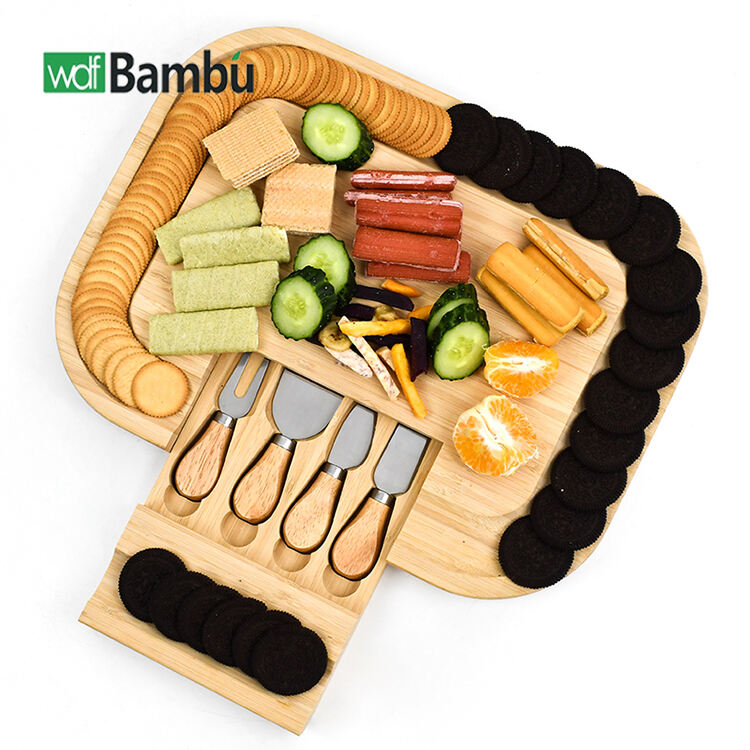
Proper maintenance of charcuterie boards is essential for ensuring their longevity and preserving their aesthetic appeal. These elegant wooden serving pieces require specific care techniques to prevent damage from moisture, bacteria, and everyday wear. Understanding the correct cleaning and preservation methods will help you maintain your charcuterie boards in pristine condition for years of entertaining and daily use.
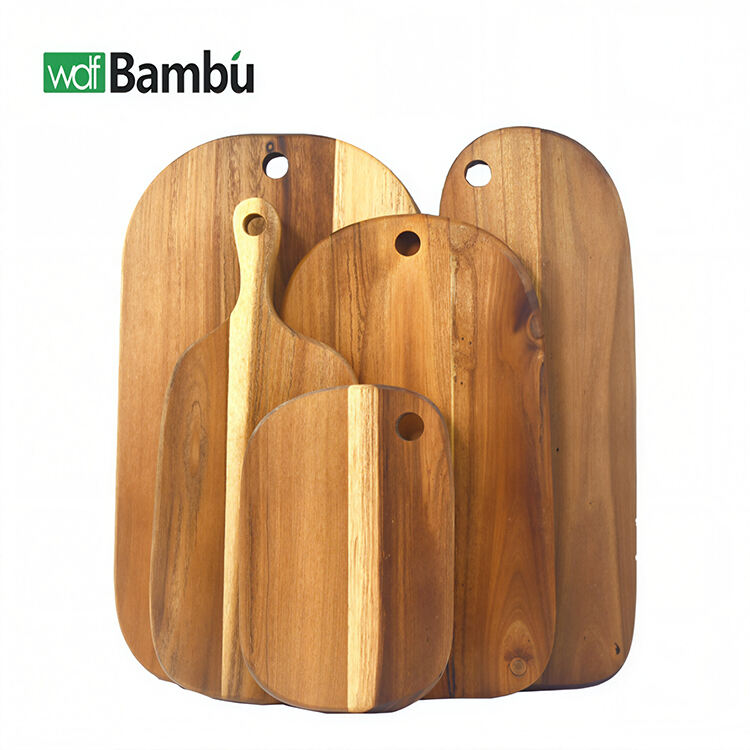
The significance of maintaining charcuterie boards extends beyond mere aesthetics. Proper care prevents the growth of harmful bacteria that can contaminate food, while also protecting the wood from cracking, warping, and discoloration. Quality wooden serving boards represent a valuable investment in your kitchen and entertaining arsenal, making their preservation crucial for maximizing their utility and appearance over time.
Understanding Wood Types and Their Care Requirements
Hardwood Varieties and Their Characteristics
Different types of wood used in charcuterie boards require varying levels of care and attention. Hardwoods like maple, walnut, and cherry are popular choices for their durability and resistance to knife marks. These dense wood types typically handle moisture better than softer alternatives, but they still require regular oiling and proper cleaning techniques to maintain their integrity.
Bamboo charcuterie boards offer unique advantages, including natural antimicrobial properties and rapid regeneration capabilities. However, bamboo requires specific care protocols due to its fibrous structure and tendency to absorb moisture differently than traditional hardwoods. Understanding these material differences helps in developing appropriate maintenance routines.
Identifying Quality Construction Features
High-quality charcuterie boards feature end-grain construction, which provides superior durability and knife-friendliness compared to edge-grain alternatives. End-grain boards allow knife blades to separate wood fibers rather than cutting across them, reducing wear on both the board and cutting implements. This construction method also helps prevent bacterial penetration into the wood surface.
The thickness of charcuterie boards significantly impacts their longevity and maintenance requirements. Boards measuring at least one inch thick provide better stability and resist warping caused by moisture absorption and temperature changes. Thicker boards also allow for more aggressive cleaning and reconditioning when necessary, extending their useful lifespan considerably.
Daily Cleaning Protocols for Optimal Hygiene
Immediate Post-Use Cleaning Procedures
Prompt cleaning after each use prevents stains and odors from penetrating deep into the wood grain of charcuterie boards. Begin by scraping away food debris using a bench scraper or plastic scraper to avoid damaging the wood surface. Never use metal implements that can create deep scratches where bacteria might harbor and multiply.
Rinse the board under lukewarm water while gently scrubbing with a soft-bristled brush or sponge. Hot water should be avoided as it can cause rapid expansion of wood fibers, leading to cracking and warping over time. Focus on removing all visible residue while being gentle enough to preserve the wood's natural oils and surface integrity.
Safe Cleaning Agents and Application Methods
Mild dish soap represents the safest cleaning agent for regular maintenance of charcuterie boards. Create a light foam with warm water and soap, then apply it using a soft sponge or cloth. Avoid harsh detergents, bleach, or antibacterial soaps that can strip natural oils and damage wood fibers over extended use.
For stubborn stains or odors, create a paste using baking soda and water. Apply this mixture to affected areas and let it sit for several minutes before gently scrubbing with a soft brush. The mild abrasive action helps remove discoloration while the alkaline properties neutralize acidic odors from foods like citrus fruits or vinegar-based preparations.
Deep Cleaning and Sanitization Techniques
Monthly Deep Cleaning Protocols
Monthly deep cleaning sessions help maintain the hygiene and appearance of charcuterie boards by addressing accumulated oils, stains, and potential bacterial growth. Begin by creating a solution of white vinegar and water in equal proportions. Apply this mixture using a clean cloth, allowing it to remain on the surface for five to ten minutes before wiping clean with a damp cloth.
Salt serves as an excellent natural abrasive for deep cleaning wooden surfaces. Sprinkle coarse salt across the board surface, then use half a lemon to scrub the salt into the wood grain. The citric acid helps break down oils and stains while the salt provides gentle abrasive action. This method effectively removes odors and discoloration without harsh chemicals.
Sanitization Without Chemical Damage
Heat sanitization provides effective bacterial elimination without chemical residues that might affect food flavors. Place clean charcuterie boards in a low-temperature oven (200°F) for 10-15 minutes to eliminate surface bacteria. Monitor carefully to prevent overheating that could cause cracking or warping of the wood.
UV sanitization offers another chemical-free option for maintaining hygiene. Place boards in direct sunlight for several hours, rotating periodically to ensure even exposure. The natural UV radiation helps eliminate bacteria while the warmth helps remove moisture that could harbor microbial growth. This method works particularly well for boards used primarily for cheese and charcuterie presentation.
Preservation Techniques for Extended Lifespan
Oil Treatment and Conditioning Schedules
Regular oil treatment forms the cornerstone of charcuterie board preservation, creating a protective barrier against moisture and bacterial penetration. Food-grade mineral oil remains the most popular choice due to its neutral odor, colorless appearance, and inability to turn rancid over time. Apply oil generously using a clean cloth, working it into the wood grain in circular motions.
The frequency of oil treatment depends on usage patterns and environmental conditions. Boards used daily require weekly oiling, while occasional-use pieces need monthly applications. Signs indicating the need for oil treatment include a dry appearance, light coloration, or water absorption when droplets are placed on the surface. Consistent oiling prevents cracking and maintains the wood's natural beauty.
Proper Storage and Environmental Control
Storage conditions significantly impact the longevity of charcuterie boards. Maintain consistent temperature and humidity levels to prevent expansion and contraction cycles that cause cracking. Store boards vertically when possible, using slots or stands that allow air circulation around all surfaces. Horizontal storage can trap moisture and promote warping.
Avoid storing charcuterie boards in areas with extreme temperature fluctuations, such as near heating vents or in direct sunlight. Kitchen cabinets away from heat sources provide ideal storage environments. If space permits, dedicated board storage racks allow proper ventilation while keeping boards easily accessible for regular use.
Troubleshooting Common Maintenance Issues
Addressing Stains and Discoloration
Stubborn stains on charcuterie boards often result from prolonged contact with acidic foods, red wines, or strongly colored spices. Create a whitening paste using hydrogen peroxide and baking soda, applying it to stained areas and covering with plastic wrap. Allow the mixture to work for several hours before scrubbing gently with a soft brush and rinsing thoroughly.
For deep-set stains that resist surface treatments, light sanding may be necessary. Use fine-grit sandpaper (220 grit or higher) to gently remove the stained wood layer. Sand with the grain direction to maintain consistent appearance, then apply oil treatment to restore the wood's protective barrier. This method should be used sparingly to preserve board thickness.
Preventing and Repairing Cracks
Crack prevention begins with consistent moisture management and proper storage practices. Small surface cracks often seal themselves with regular oil treatment as the wood expands slightly. For larger cracks, food-safe wood glue can be applied carefully, wiping away excess immediately to prevent visible repair lines.
Warping prevention requires maintaining balanced moisture levels on both sides of charcuterie boards. Always clean and oil both surfaces equally, even if only one side is used for food preparation. Store boards flat with weight distributed evenly, or use vertical storage systems that don't place pressure on specific areas.
Seasonal Maintenance Considerations
Adjusting Care Routines for Climate Changes
Seasonal humidity variations require adjustments to charcuterie board maintenance schedules. Winter heating systems create dry conditions that increase oil absorption rates, necessitating more frequent conditioning treatments. Summer humidity may reduce oil needs but increases the risk of bacterial growth, requiring enhanced cleaning vigilance.
Monitor boards closely during seasonal transitions when temperature and humidity changes are most dramatic. Increase inspection frequency to catch early signs of stress, such as slight warping or surface checking. Proactive maintenance during these periods prevents minor issues from developing into major problems requiring extensive repairs.
Long-Term Storage Preparations
Extended storage periods require special preparation to maintain charcuterie board condition. Clean thoroughly and apply a generous oil treatment, allowing complete absorption before storage. Wrap boards in breathable materials like cotton cloth rather than plastic, which can trap moisture and promote mold growth.
Check stored boards monthly, applying additional oil if surfaces appear dry. Rotate boards periodically to prevent warping from prolonged positioning. When returning boards to active use after extended storage, inspect carefully for any signs of damage or pest activity that may have occurred during the storage period.
FAQ
How often should I oil my charcuterie boards
The frequency of oiling charcuterie boards depends on usage patterns and environmental conditions. Daily-use boards typically require weekly oil treatments, while occasional-use pieces need monthly applications. Signs that indicate oiling needs include dry appearance, light coloration, or water absorption when droplets are placed on the surface. Consistent oiling schedules prevent cracking and maintain optimal wood condition.
Can I put charcuterie boards in the dishwasher
Never place charcuterie boards in dishwashers, as the high temperatures and prolonged water exposure can cause severe damage including cracking, warping, and splitting. The intense heat and harsh detergents strip natural oils from the wood, leading to rapid deterioration. Always hand wash with mild soap and lukewarm water, followed by immediate drying and proper oil treatment.
What type of oil works best for conditioning wooden boards
Food-grade mineral oil provides the best conditioning for charcuterie boards due to its neutral odor, colorless appearance, and stability over time. Unlike vegetable oils, mineral oil never turns rancid and creates an effective moisture barrier. Some users prefer specialized cutting board oils or wax combinations, but pure mineral oil remains the most reliable and cost-effective option for regular maintenance.
How do I remove strong odors from my charcuterie boards
Remove persistent odors from charcuterie boards using natural deodorizing methods. Create a paste with baking soda and water, apply to the affected area, and let sit for several hours before scrubbing gently and rinsing. Alternatively, rub the surface with coarse salt and half a lemon, allowing the citric acid to neutralize odors while the salt provides gentle abrasive action. Both methods effectively eliminate garlic, onion, and fish odors without harmful chemicals.
 Read More
 Home
Home