
 Furniture
 EN
EN
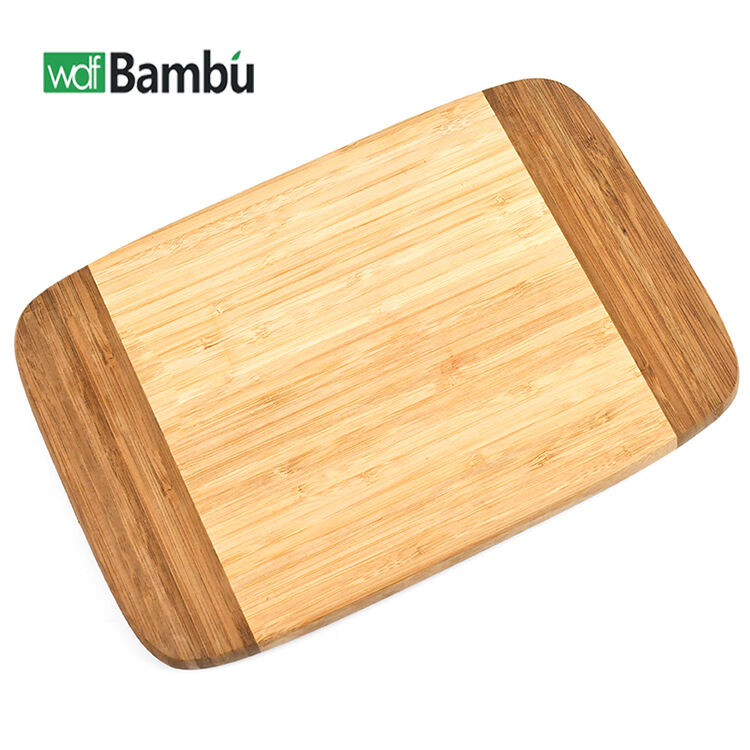
The modern kitchen has evolved to embrace sustainable practices, and choosing the right cutting board plays a crucial role in this transformation. A bamboo cutting board represents one of the most significant shifts toward eco-conscious cooking, offering both environmental benefits and exceptional functionality. This natural material has gained tremendous popularity among home cooks and professional chefs alike, becoming a cornerstone of sustainable kitchen design. Understanding why bamboo cutting boards have become such a preferred choice reveals the intersection of environmental responsibility and practical cooking needs.
Environmental Advantages of Bamboo Materials
Rapid Growth and Regeneration Properties
Bamboo stands out as one of nature's most remarkable renewable resources, making any bamboo cutting board an environmentally conscious choice. This grass species can grow up to three feet in a single day under optimal conditions, reaching full maturity within three to five years. Unlike traditional hardwood trees that require decades to mature, bamboo regenerates from its root system without replanting, creating a continuous cycle of sustainable harvesting. This rapid growth rate means that bamboo forests can be harvested regularly without depleting the resource or causing environmental damage.
The regenerative capacity of bamboo extends beyond simple growth rates to encompass soil health and ecosystem stability. Bamboo roots form extensive networks that prevent soil erosion and improve water retention in cultivation areas. When harvested properly, bamboo cutting board production supports agricultural practices that enhance rather than degrade the surrounding environment. The plant's ability to thrive in diverse climatic conditions also reduces the need for intensive irrigation or chemical fertilizers, further minimizing its environmental footprint.
Carbon Sequestration Benefits
Every bamboo cutting board contributes to positive environmental impact through the carbon sequestration properties of its source material. Bamboo absorbs significantly more carbon dioxide from the atmosphere compared to traditional trees, with some species capable of sequestering up to 35% more carbon than equivalent forest areas. This enhanced carbon absorption occurs throughout the plant's rapid growth phase, meaning that bamboo cultivation actively helps combat climate change while producing raw materials for kitchen products.
The carbon storage continues even after processing bamboo into cutting boards, as the carbon remains locked within the wood fibers throughout the product's lifespan. Manufacturing processes for bamboo cutting boards typically require less energy than plastic alternatives, further reducing the overall carbon footprint. When a bamboo cutting board eventually reaches the end of its useful life, it biodegrades naturally, releasing stored carbon gradually rather than contributing to landfill waste like synthetic materials.
Durability and Performance Characteristics
Natural Antimicrobial Properties
The inherent antimicrobial properties of bamboo make each cutting board naturally resistant to bacterial growth and contamination. Scientific studies have demonstrated that bamboo contains a bio-agent called bamboo kun, which provides natural antibacterial and antifungal protection. This organic compound helps prevent the growth of harmful microorganisms on the cutting surface, reducing food safety risks during meal preparation. Unlike plastic cutting boards that can develop deep scratches harboring bacteria, bamboo maintains its antimicrobial effectiveness throughout its lifespan.
The natural resistance to microbial contamination means that a bamboo cutting board requires less aggressive cleaning methods and harsh chemical sanitizers. Regular washing with mild soap and water proves sufficient for maintaining hygiene standards, making bamboo cutting boards ideal for health-conscious households. This antimicrobial protection extends to odor resistance as well, preventing the absorption of strong food odors that can transfer to subsequent ingredients during food preparation.
Knife-Friendly Surface Composition
Professional chefs and cooking enthusiasts appreciate how a bamboo cutting board provides the optimal balance between hardness and gentleness for knife maintenance. The density of bamboo creates a stable cutting surface that won't dull knife edges as quickly as harder materials like glass or stone. Simultaneously, bamboo offers enough resistance to provide clean cuts through various food items without the excessive softness that characterizes some plastic alternatives.
The grain structure of bamboo allows knives to create minimal scoring while maintaining the integrity of the cutting surface over extended use. This characteristic helps preserve both the sharpness of kitchen knives and the smooth finish of the bamboo cutting board itself. The natural flexibility of bamboo fibers also helps prevent chipping or cracking under normal kitchen use, ensuring consistent performance throughout the board's lifespan.
Maintenance and Longevity Factors
Cleaning and Care Requirements
Proper maintenance of a bamboo cutting board involves straightforward procedures that preserve both appearance and functionality for years of reliable service. Daily cleaning requires only warm water and mild dish soap, followed by thorough drying to prevent moisture absorption that could lead to warping or cracking. Unlike porous wooden alternatives, bamboo cutting boards resist deep penetration of liquids and food particles, making surface cleaning more effective and hygienic.
Periodic conditioning with food-grade mineral oil or specialized bamboo conditioners helps maintain the natural moisture content and prevents the development of surface cracks. This maintenance routine typically requires attention once per month for regularly used boards, making bamboo cutting board care manageable within busy household schedules. The natural resilience of bamboo means that properly maintained boards can withstand daily use for several years without significant degradation in performance or appearance.
Resistance to Warping and Cracking
The structural composition of bamboo provides superior dimensional stability compared to traditional wooden cutting boards, making warping and cracking less common issues. Bamboo fibers run parallel along the length of the plant, creating natural resistance to moisture-related deformation. Manufacturing processes that properly align these fibers result in cutting boards that maintain flat surfaces even under varying humidity conditions typical in kitchen environments.
Quality bamboo cutting board construction techniques include laminating multiple bamboo strips in alternating grain directions, further enhancing stability and crack resistance. This engineering approach distributes stress forces throughout the board structure, preventing the concentration of tension that leads to splitting in solid wood alternatives. The result is a cutting surface that maintains its shape and integrity through years of kitchen use, washing, and environmental changes.
Design Versatility and Aesthetic Appeal
Natural Visual Characteristics
The distinctive appearance of a bamboo cutting board adds natural beauty to kitchen spaces while serving essential functional purposes. Bamboo's light golden color and subtle grain patterns complement both modern and traditional kitchen designs, creating visual appeal that extends beyond purely utilitarian considerations. The natural variation in bamboo coloring means that each cutting board possesses unique aesthetic characteristics that enhance rather than detract from kitchen decor.
Manufacturing techniques can emphasize different aspects of bamboo's natural beauty, from highlighting the linear grain patterns to creating varied color tones through controlled carbonization processes. These aesthetic options allow consumers to select bamboo cutting boards that align with their personal style preferences while maintaining all the functional benefits of the material. The organic appearance of bamboo also ages gracefully, developing character over time rather than showing wear in unsightly ways.
Size and Configuration Options
Modern bamboo cutting board manufacturing offers extensive variety in sizes and configurations to meet diverse cooking needs and kitchen layouts. Standard rectangular boards range from compact sizes suitable for apartment kitchens to large professional-grade surfaces that accommodate extensive meal preparation. Specialized shapes include round boards for cheese presentation, long narrow boards for bread slicing, and boards with integrated juice grooves for meat preparation.
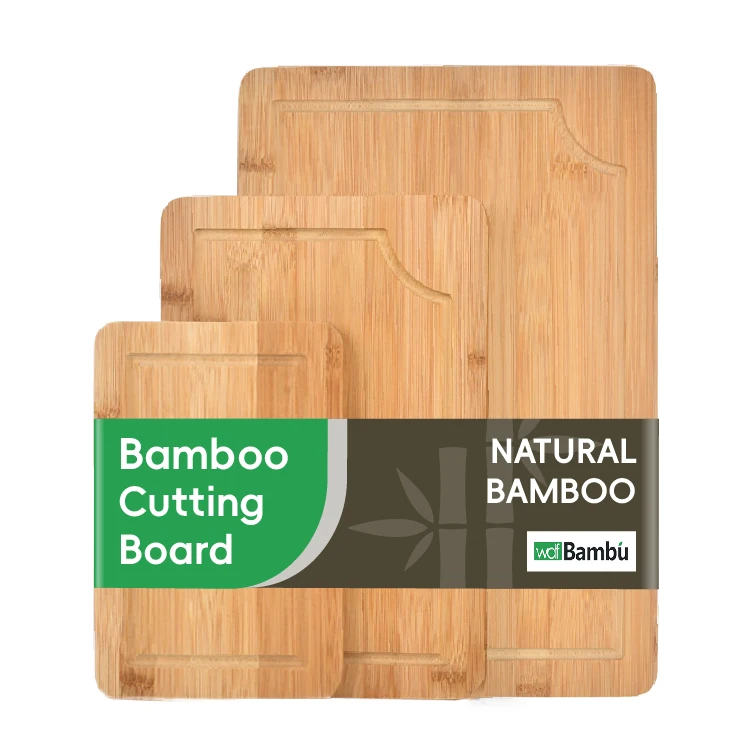
Multi-piece bamboo cutting board sets provide comprehensive solutions for organized food preparation, allowing cooks to designate separate boards for different food categories to prevent cross-contamination. Some designs incorporate additional features like integrated storage compartments, removable trays, or reversible surfaces that expand functionality beyond basic cutting tasks. These configuration options ensure that every kitchen can benefit from bamboo cutting board advantages regardless of space constraints or cooking style preferences.
Economic and Practical Considerations
Cost-Effectiveness Over Time
The initial investment in a quality bamboo cutting board proves economical when evaluated against the replacement costs and performance limitations of alternative materials. While premium bamboo cutting boards may cost more upfront than basic plastic options, their extended lifespan and consistent performance create superior long-term value. The durability of bamboo means fewer replacement purchases over time, reducing both financial costs and environmental impact associated with frequent product disposal.
Additional cost savings emerge from the reduced need for specialized cleaning products or maintenance supplies that other cutting board materials might require. The natural antimicrobial properties of bamboo cutting boards eliminate the need for expensive sanitizing solutions, while the material's resistance to staining reduces replacement pressure from aesthetic concerns. Professional kitchens particularly benefit from this economic efficiency, as bamboo cutting boards withstand commercial use demands while maintaining food safety standards.
Availability and Market Accessibility
The growing popularity of sustainable kitchen products has made bamboo cutting boards widely available through diverse retail channels, from specialty kitchen stores to mainstream home improvement retailers. Online marketplaces offer extensive selections that allow consumers to compare features, sizes, and price points from multiple manufacturers. This broad availability ensures that quality bamboo cutting boards remain accessible to consumers regardless of geographic location or shopping preferences.
Manufacturing scale improvements have also helped stabilize bamboo cutting board pricing, making eco-friendly options competitive with conventional alternatives. The establishment of reliable supply chains from bamboo-growing regions to global markets has reduced price volatility and improved product consistency. These market developments support the continued adoption of bamboo cutting boards as practical and affordable solutions for environmentally conscious consumers.
Health and Safety Considerations
Food Safety Standards
Food safety represents a paramount concern in kitchen equipment selection, and bamboo cutting boards excel in meeting stringent hygiene requirements for home and commercial food preparation. The natural antimicrobial properties of bamboo provide an additional layer of protection against foodborne pathogens, complementing proper cleaning and sanitization practices. Research has demonstrated that bamboo surfaces inhibit bacterial growth more effectively than many synthetic alternatives, particularly in preventing the proliferation of common kitchen contaminants.
Regulatory agencies in multiple countries have approved bamboo cutting boards for food contact applications, confirming their safety for kitchen use when manufactured according to established standards. The non-toxic nature of bamboo eliminates concerns about chemical leaching that can occur with some plastic cutting boards over time. Professional food service operations increasingly specify bamboo cutting boards in their equipment standards, recognizing both the safety benefits and operational advantages of this natural material.
Chemical-Free Processing Options
High-quality bamboo cutting board manufacturing processes can minimize or eliminate chemical treatments that might raise health concerns for sensitive users. Natural bamboo processing relies primarily on heat, pressure, and food-safe adhesives to create durable cutting surfaces without introducing potentially harmful substances. This chemical-free approach appeals to households seeking to reduce exposure to synthetic materials in food preparation areas.
Certification programs help consumers identify bamboo cutting boards produced using environmentally responsible manufacturing methods that prioritize human health alongside sustainability. These certifications verify that production processes meet strict standards for chemical use, waste management, and worker safety. The availability of certified bamboo cutting boards provides assurance for health-conscious consumers who want to make informed choices about kitchen equipment that contacts their food directly.
FAQ
How long does a bamboo cutting board typically last with regular use
A well-maintained bamboo cutting board can serve effectively for three to five years with daily use in a typical household kitchen. The actual lifespan depends on factors including usage frequency, maintenance consistency, and the quality of the original manufacturing. Professional kitchens with heavy use may need to replace bamboo cutting boards more frequently, typically every one to two years, while occasional home users might extend the useful life to six years or more with proper care.
Can bamboo cutting boards go in the dishwasher safely
Dishwasher use is not recommended for bamboo cutting boards because the high heat and prolonged moisture exposure can cause warping, cracking, and premature deterioration. Hand washing with warm water and mild soap provides the most effective cleaning method while preserving the integrity of the bamboo material. The quick-drying properties of bamboo make hand washing convenient, requiring only a few minutes for proper cleaning and air drying.
What size bamboo cutting board works best for most kitchens
A bamboo cutting board measuring approximately 12 by 18 inches provides optimal versatility for most home kitchens, offering sufficient workspace for various food preparation tasks without overwhelming smaller countertops. This size accommodates everything from chopping vegetables to carving roasts while remaining manageable for cleaning and storage. Households that frequently prepare large meals might prefer boards measuring 15 by 20 inches, while apartment dwellers often find 10 by 14 inch boards more practical for their space constraints.
How do bamboo cutting boards compare to plastic ones for food safety
Bamboo cutting boards offer superior food safety characteristics compared to plastic alternatives due to their natural antimicrobial properties and resistance to deep scoring that can harbor bacteria. While plastic boards can develop knife marks that become difficult to sanitize completely, bamboo surfaces self-heal minor cuts and resist bacterial penetration. The natural bamboo kun compound provides ongoing antimicrobial protection that plastic boards lack, making bamboo cutting boards a safer choice for households concerned about foodborne illness prevention.
 Read More
 Home
Home