
 Furniture
 EN
EN
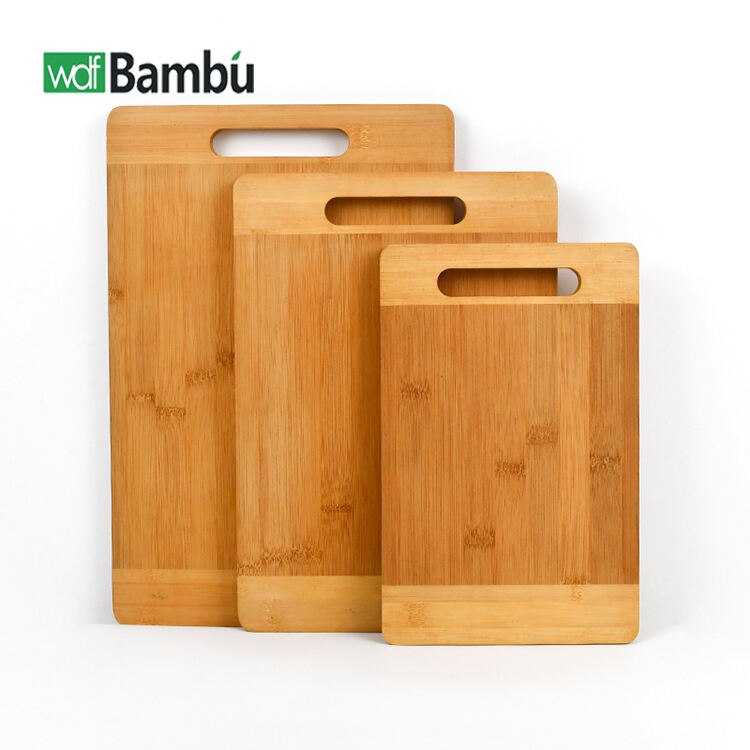
Food safety and hygiene remain paramount concerns in both commercial and residential kitchens worldwide. Professional chefs and home cooking enthusiasts increasingly recognize that the choice of cutting surface directly impacts food preparation safety standards. A bamboo cutting board represents one of the most effective solutions for maintaining superior hygiene while preparing various ingredients. This natural material offers unique antimicrobial properties that distinguish it from traditional plastic and wooden alternatives, making it an essential tool for anyone serious about food safety protocols.
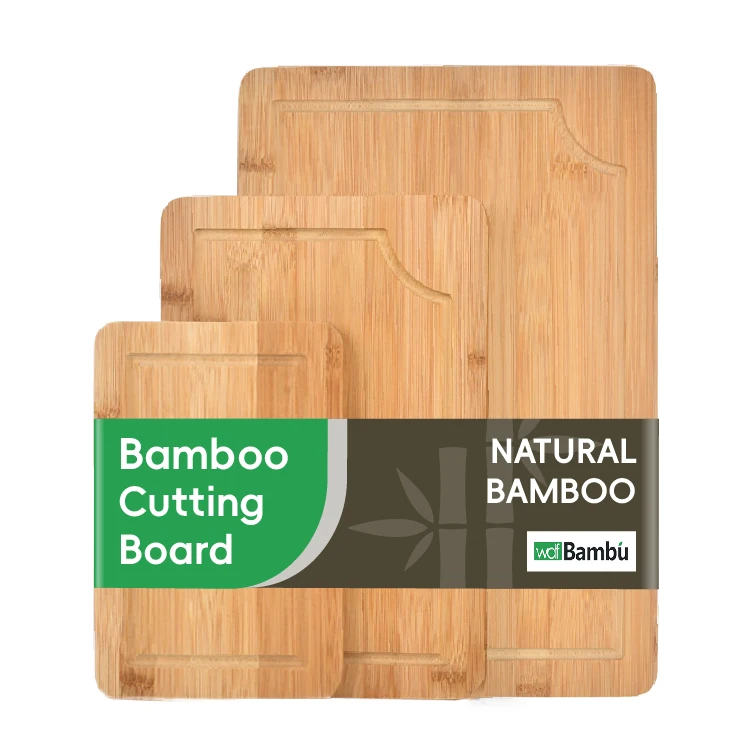
Natural Antimicrobial Properties of Bamboo Materials
Inherent Bacterial Resistance Mechanisms
Bamboo possesses remarkable natural antimicrobial compounds that actively inhibit bacterial growth on cutting surfaces. Scientific studies have demonstrated that bamboo cutting board materials contain lignin and other bioactive substances that create an inhospitable environment for harmful microorganisms. These compounds work continuously to reduce bacterial colonization, providing an additional layer of protection beyond standard cleaning protocols. The cellular structure of bamboo also contributes to its antimicrobial effectiveness by limiting moisture retention where bacteria typically thrive.
Research conducted by food safety laboratories has shown that bamboo cutting board surfaces exhibit significantly lower bacterial counts compared to conventional plastic alternatives after identical use periods. The natural bamboo fibers create microscopic barriers that prevent deep bacterial penetration, unlike porous materials that can harbor pathogens in hard-to-reach crevices. This inherent resistance mechanism operates independently of cleaning procedures, offering continuous protection throughout the cutting board's operational lifespan.
Comparison with Traditional Cutting Materials
When evaluating cutting surface materials for hygiene performance, bamboo cutting board options consistently outperform both hardwood and synthetic alternatives in laboratory testing. Plastic cutting boards, while initially non-porous, develop knife grooves and scratches that become bacterial breeding grounds over time. These damaged surfaces require intensive sanitization procedures and frequent replacement to maintain food safety standards. Traditional wooden cutting boards, though naturally antimicrobial to some degree, lack the consistent density and moisture resistance that characterize quality bamboo products.
The cellular composition of bamboo creates a unique advantage in maintaining surface integrity under repeated use conditions. Unlike softwood cutting boards that absorb liquids and develop permanent stains, bamboo cutting board materials maintain their structural properties while resisting moisture penetration. This durability translates directly into sustained hygiene performance throughout extended use periods, reducing the need for frequent replacement and minimizing long-term food safety risks.
Moisture Management and Surface Hygiene
Advanced Water Resistance Properties
Effective moisture control represents a critical factor in maintaining cutting surface hygiene, and bamboo cutting board products excel in this area through their natural water-resistant characteristics. The dense fiber structure of properly processed bamboo creates a semi-permeable surface that allows controlled moisture absorption while preventing deep liquid penetration. This balanced moisture management prevents the development of damp environments where bacteria, mold, and other microorganisms typically flourish in kitchen conditions.
Professional food service operations have documented significant improvements in surface hygiene maintenance when switching to bamboo cutting board systems from traditional alternatives. The rapid moisture evaporation properties of bamboo surfaces reduce the time that cutting areas remain damp after cleaning procedures. This accelerated drying process minimizes the window of opportunity for bacterial colonization, contributing to overall kitchen sanitation effectiveness and regulatory compliance in commercial food preparation environments.
Cleaning Efficiency and Sanitization
The smooth, consistent surface texture of a quality bamboo cutting board facilitates thorough cleaning procedures while requiring minimal sanitization chemicals compared to alternatives. Standard dish soap and warm water effectively remove food residues and surface contaminants without requiring harsh detergents that might compromise the material's natural antimicrobial properties. This cleaning efficiency reduces both labor time and chemical costs while maintaining superior hygiene standards in busy kitchen operations.
Unlike plastic cutting boards that require bleach solutions to achieve adequate sanitization, bamboo cutting board surfaces respond well to natural cleaning methods that preserve their beneficial properties. The non-porous nature of properly finished bamboo prevents absorption of cleaning chemicals, ensuring that no harmful residues remain on food contact surfaces. This characteristic makes bamboo an ideal choice for organic food preparation and establishments seeking to minimize chemical exposure in their food handling procedures.
Durability Impact on Long-term Hygiene
Surface Integrity Maintenance
The exceptional durability of bamboo cutting board products directly correlates with sustained hygiene performance over extended use periods. Unlike softer materials that develop deep knife marks and surface damage, bamboo maintains its smooth texture through thousands of cutting cycles. This surface integrity prevents the formation of bacteria-harboring crevices that compromise food safety in commercial and residential applications. The hardness of bamboo, combined with its flexible fiber structure, creates an optimal balance between knife-friendliness and cut resistance.
Professional kitchen managers report significantly longer replacement cycles when implementing bamboo cutting board systems compared to conventional alternatives. This extended lifespan translates into consistent hygiene performance without the gradual degradation typical of plastic or softwood surfaces. The maintained surface quality ensures that cleaning procedures remain effective throughout the product's operational life, eliminating concerns about hidden contamination in damaged cutting areas.
Resistance to Wear and Contamination
The natural composition of bamboo cutting board materials provides superior resistance to the types of wear patterns that create hygiene vulnerabilities in kitchen environments. Heavy-duty food preparation activities, including meat processing and vegetable chopping, generate significant mechanical stress on cutting surfaces. Bamboo's fibrous structure distributes this stress effectively, preventing the localized damage that creates bacterial hiding spots in less durable materials. This wear resistance maintains the cutting board's hygienic properties under demanding commercial use conditions.
Temperature fluctuations common in professional kitchens can cause expansion and contraction cycles that compromise the integrity of inferior cutting board materials. Bamboo cutting board products demonstrate remarkable dimensional stability across wide temperature ranges, maintaining their surface properties without developing cracks or separations. This thermal stability ensures consistent hygiene performance regardless of kitchen operating conditions, making bamboo an reliable choice for establishments with varying temperature requirements throughout their daily operations.
Cross-contamination Prevention Strategies
Color-coding and Organization Systems
Implementing effective cross-contamination prevention requires systematic organization of cutting surfaces based on food type categories. Bamboo cutting board systems can incorporate color-coding strategies that designate specific boards for raw meats, vegetables, and ready-to-eat products. This organizational approach, combined with bamboo's natural antimicrobial properties, creates multiple barriers against pathogen transfer between different food categories during preparation procedures.
The natural appearance of bamboo cutting board surfaces allows for subtle marking systems that maintain aesthetic appeal while ensuring proper food safety protocols. Professional food handlers can easily identify designated cutting areas through strategic placement and labeling systems that integrate seamlessly with existing kitchen workflows. This visual organization reduces the risk of accidental cross-contamination while streamlining food preparation procedures in high-volume operations.
Multiple Board Management
Effective hygiene management in professional kitchens often requires multiple bamboo cutting board units to support simultaneous food preparation activities while maintaining separation protocols. The lightweight nature of bamboo makes it practical to maintain several dedicated cutting surfaces for different food categories without creating storage or handling challenges. This multi-board approach allows kitchen staff to follow strict food safety guidelines while maintaining efficient workflow patterns during peak service periods.
Investment in comprehensive bamboo cutting board systems provides long-term hygiene benefits that justify the initial cost through reduced contamination incidents and improved regulatory compliance. The durability and consistent performance of bamboo materials ensure that multi-board systems maintain their effectiveness over extended periods, unlike plastic alternatives that require frequent replacement due to wear and sanitization concerns. This reliability makes bamboo the preferred choice for establishments prioritizing both food safety and operational efficiency.
Environmental and Health Benefits
Chemical-free Food Preparation
The natural properties of bamboo cutting board materials eliminate the need for harsh chemical sanitizers that might leave residues on food contact surfaces. This chemical-free approach to hygiene maintenance aligns with growing consumer preferences for natural food preparation methods and organic kitchen practices. Restaurants and food service operations can promote their commitment to healthy food handling while meeting stringent hygiene standards through bamboo cutting board implementation.
Health-conscious consumers increasingly recognize the benefits of reducing chemical exposure in food preparation environments. Bamboo cutting board surfaces require only mild soap and water for effective cleaning, eliminating concerns about chemical residue absorption that affects food flavor and safety. This natural approach to surface sanitization supports overall kitchen health while maintaining the antimicrobial effectiveness necessary for professional food safety compliance.
Sustainable Hygiene Solutions
The renewable nature of bamboo resources supports sustainable kitchen practices while delivering superior hygiene performance compared to petroleum-based alternatives. Bamboo cutting board production utilizes rapidly renewable plant materials that regenerate without replanting, reducing environmental impact while providing long-lasting food preparation surfaces. This sustainability advantage appeals to environmentally conscious establishments seeking to reduce their ecological footprint without compromising food safety standards.
The biodegradable nature of bamboo cutting board materials ensures that end-of-life disposal doesn't contribute to persistent environmental pollution like plastic alternatives. Professional kitchens can implement comprehensive sustainability programs that include bamboo cutting surfaces as part of their commitment to environmental responsibility. This approach demonstrates corporate social responsibility while maintaining the highest standards of food safety and hygiene in daily operations.
FAQ
How often should bamboo cutting boards be replaced for optimal hygiene
A well-maintained bamboo cutting board can provide excellent hygiene performance for 3-5 years in residential use and 1-2 years in commercial environments with proper care. The replacement schedule depends on usage intensity, cleaning protocols, and surface condition assessment. Signs indicating replacement needs include deep knife marks, persistent stains, or any surface damage that cannot be restored through proper maintenance procedures.
Can bamboo cutting boards be sanitized in commercial dishwashers
Most bamboo cutting board products are not recommended for commercial dishwasher use due to high temperature and chemical exposure that can compromise their natural properties. Hand washing with warm soapy water followed by air drying provides optimal cleaning while preserving the antimicrobial characteristics that make bamboo superior for hygiene maintenance. Some specially treated bamboo cutting boards may be dishwasher safe, but manufacturers' guidelines should be consulted for specific products.
What makes bamboo more hygienic than plastic cutting boards
Bamboo cutting board surfaces possess natural antimicrobial compounds that actively inhibit bacterial growth, while plastic boards become increasingly porous and bacteria-prone as they develop knife marks and surface damage. The dense fiber structure of bamboo resists deep scratching and maintains surface integrity longer than plastic alternatives. Additionally, bamboo's moisture-resistant properties prevent the damp conditions that promote bacterial colonization in damaged plastic cutting surfaces.
Are there specific maintenance requirements for bamboo cutting board hygiene
Maintaining optimal hygiene with bamboo cutting board products requires regular cleaning with mild soap and warm water, thorough drying after each use, and periodic conditioning with food-grade mineral oil to preserve surface properties. Avoid soaking bamboo boards in water or exposing them to extreme temperatures. Monthly deep cleaning with a paste of baking soda and water can remove stubborn stains while preserving the natural antimicrobial properties that make bamboo effective for food safety applications.
 Read More
 Home
Home