
 Furniture
 EN
EN
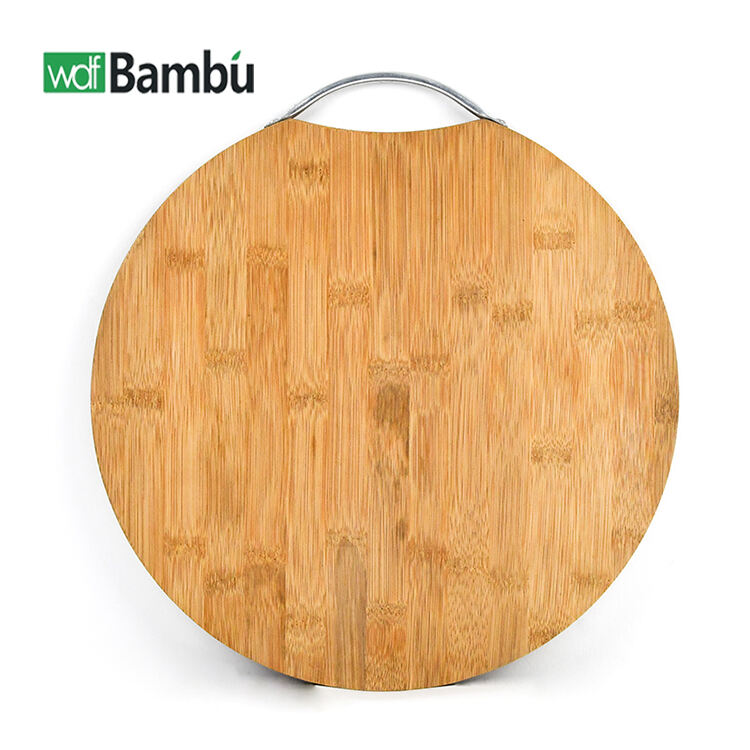
Making the right choice when selecting a bamboo cutting board requires careful consideration of multiple factors that affect both performance and longevity. As kitchen essentials continue to evolve, the bamboo cutting board has emerged as a preferred option for home cooks and professional chefs alike due to its sustainable properties and exceptional durability. Understanding the key characteristics that distinguish quality bamboo cutting boards from inferior alternatives can help buyers make informed decisions that serve their culinary needs for years to come. The increasing popularity of bamboo cutting boards stems from their unique combination of environmental consciousness and practical functionality, making them an attractive alternative to traditional wood and plastic options.
Material Quality and Construction Standards
Bamboo Species and Grade Selection
The foundation of any exceptional bamboo cutting board lies in the quality of bamboo species used during manufacturing. Premium boards utilize mature bamboo varieties that have reached optimal hardness levels, typically harvested after three to five years of growth. The density and grain structure of high-quality bamboo provides superior resistance to knife marks while maintaining the natural antimicrobial properties that make bamboo cutting boards naturally hygienic. Manufacturers who prioritize quality often source bamboo from sustainably managed forests, ensuring consistent material properties and environmental responsibility.
Different bamboo species offer varying levels of hardness and moisture resistance, with Moso bamboo being among the most sought-after varieties for cutting board production. The cellular structure of quality bamboo creates a naturally self-healing surface that helps minimize visible knife marks over time. When evaluating bamboo cutting board options, buyers should look for boards made from solid bamboo construction rather than bamboo composite materials, which may contain adhesives or binding agents that compromise food safety and durability.
Manufacturing Process and Adhesive Considerations
The manufacturing process significantly impacts the safety and performance of a bamboo cutting board, particularly regarding adhesive selection and pressing techniques. Superior boards utilize food-safe, formaldehyde-free adhesives that meet strict health standards while maintaining structural integrity under regular use. The lamination process should create seamless bonds between bamboo strips, eliminating weak points that could harbor bacteria or separate during washing and drying cycles.
Temperature and pressure control during manufacturing ensures consistent density throughout the bamboo cutting board, preventing warping and cracking that can occur with poorly processed alternatives. Quality manufacturers employ precision cutting and sanding techniques that create smooth, uniform surfaces free from splinters or rough edges. The finishing process should preserve the natural bamboo characteristics while enhancing moisture resistance and maintaining the board's natural antimicrobial properties.
Size and Thickness Specifications
Optimal Dimensions for Different Cooking Tasks
Selecting the appropriate size bamboo cutting board depends on available kitchen space, typical meal preparation requirements, and storage constraints. Large boards measuring 18 by 12 inches or greater provide ample workspace for preparing multiple ingredients simultaneously, making them ideal for households that frequently cook elaborate meals or entertain guests. Medium-sized boards offer versatility for everyday cooking tasks while remaining manageable for cleaning and storage, typically measuring between 14 to 16 inches in length.
The thickness of a bamboo cutting board directly correlates with its stability and durability during use. Boards with thickness ranging from 1.5 to 2 inches provide excellent stability that prevents sliding and flexing during chopping and slicing activities. Thicker boards also offer greater resistance to warping and cracking over time, though they require more storage space and may be heavier to handle. Consider the balance between stability and practicality when evaluating thickness options for your specific needs.
Weight Distribution and Handling Comfort
The weight of a bamboo cutting board affects both its stability during use and ease of handling for cleaning and storage. Well-constructed boards distribute weight evenly across their surface, creating a stable platform that resists movement during food preparation. However, excessively heavy boards may become cumbersome for users with limited strength or mobility, making regular maintenance and cleaning more challenging.
Ergonomic considerations include the presence of handles, grooves, or finger holds that facilitate safe lifting and maneuvering. Some bamboo cutting boards feature integrated handles or cutouts that provide secure grip points without compromising the cutting surface area. The balance between functionality and comfort becomes particularly important for frequent users who handle their cutting boards multiple times daily during meal preparation.
Surface Features and Functional Design
Juice Grooves and Drainage Systems
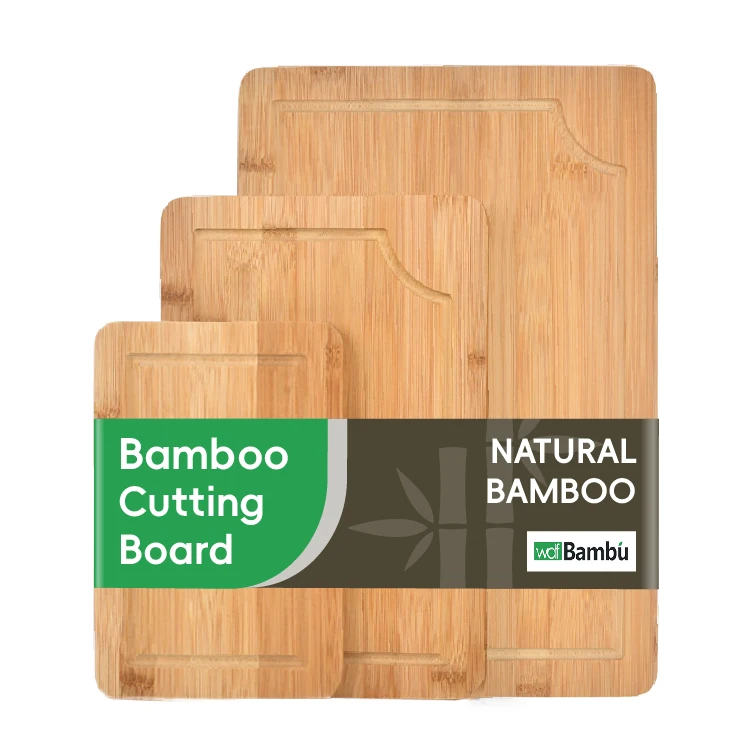
Juice grooves represent one of the most valuable features available in quality bamboo cutting boards, designed to contain liquids released during food preparation. These peripheral channels prevent juices from fruits, vegetables, and meats from spilling onto countertops, maintaining cleaner work areas and reducing cleanup requirements. The depth and width of juice grooves should accommodate typical liquid volumes without being so deep that they become difficult to clean thoroughly.
Strategic groove placement enhances the functionality of a bamboo cutting board by directing liquid flow away from food items and toward collection areas. Well-designed drainage systems include subtle slopes or channels that guide liquids efficiently without creating pools or stagnant areas where bacteria could potentially develop. The smooth finish of quality juice grooves facilitates easy cleaning while maintaining the hygienic properties that make bamboo an excellent cutting surface material.
Surface Texture and Knife-Friendly Properties
The surface texture of a bamboo cutting board significantly impacts both cutting performance and knife maintenance over extended periods of use. Quality boards feature smooth, consistent surfaces that provide sufficient grip for food items without being abrasive enough to dull knife blades prematurely. The natural grain pattern of bamboo creates subtle texture variations that help prevent slipping while maintaining the gentleness required for preserving sharp knife edges.
Premium bamboo cutting boards undergo careful sanding and finishing processes that eliminate roughness while preserving the material's natural characteristics. The resulting surface should feel smooth to the touch while providing adequate friction for secure food handling. Avoid boards with overly glossy finishes that may become slippery when wet, as these treatments can compromise safety and functionality during food preparation activities.
Maintenance Requirements and Longevity
Cleaning and Sanitization Protocols
Proper maintenance significantly extends the lifespan of a bamboo cutting board while ensuring food safety throughout its service life. Regular cleaning with mild soap and warm water removes food particles and surface contaminants without damaging the bamboo fibers or compromising the board's structural integrity. The natural antimicrobial properties of bamboo provide additional protection against bacterial growth, though proper cleaning practices remain essential for maintaining hygienic conditions.
Sanitization procedures for bamboo cutting boards should avoid harsh chemicals that could penetrate the porous surface and affect food safety. White vinegar or diluted bleach solutions provide effective sanitization when used sparingly and followed by thorough rinsing and drying. The key to maintaining a bamboo cutting board lies in establishing consistent cleaning routines that prevent the accumulation of stains, odors, or bacterial contamination over time.
Conditioning and Restoration Techniques
Regular conditioning helps preserve the natural moisture content of bamboo cutting boards, preventing cracking and extending their functional lifespan. Food-grade mineral oil applications should occur monthly or whenever the surface appears dry or begins to show signs of wear. The conditioning process involves applying thin, even coats of oil and allowing adequate absorption time before wiping away excess residue.
Minor scratches and surface imperfections can often be addressed through light sanding with fine-grit sandpaper, followed by thorough cleaning and reconditioning. This restoration process helps maintain the smooth surface texture that makes bamboo cutting boards pleasant to use while eliminating potential harboring spots for bacteria. Regular maintenance prevents the need for major repairs and helps preserve the investment value of quality bamboo cutting boards over many years of service.
Environmental Impact and Sustainability
Renewable Resource Advantages
The environmental benefits of choosing a bamboo cutting board extend far beyond individual kitchen functionality to encompass broader sustainability considerations. Bamboo represents one of the fastest-growing plants on Earth, reaching maturity in just three to five years compared to hardwood trees that may require decades to develop suitable harvesting characteristics. This rapid regeneration cycle allows bamboo cutting board production to occur with minimal environmental impact while supporting sustainable forestry practices.
Carbon sequestration properties of bamboo contribute positively to environmental conservation efforts, as growing bamboo absorbs more carbon dioxide than equivalent areas of traditional hardwood forests. The cultivation process requires no pesticides or fertilizers, making bamboo an inherently organic material suitable for food preparation applications. These environmental advantages make bamboo cutting boards an excellent choice for environmentally conscious consumers seeking to reduce their ecological footprint.
Manufacturing Sustainability Practices
Responsible manufacturers of bamboo cutting boards implement sustainable practices throughout the production process, from raw material sourcing to final packaging and distribution. Certified sustainable bamboo sources ensure that harvesting practices support forest regeneration and local ecosystem preservation. Water-based finishes and formaldehyde-free adhesives minimize the environmental impact of manufacturing while maintaining product safety and performance standards.
The durability and longevity of quality bamboo cutting boards contribute to sustainability by reducing replacement frequency and associated packaging waste. Unlike plastic alternatives that may require frequent replacement due to deep scratches or bacterial contamination, well-maintained bamboo cutting boards can provide decades of reliable service. This extended lifespan reduces overall environmental impact and provides excellent long-term value for consumers committed to sustainable living practices.
Price Considerations and Value Assessment
Cost Factors and Quality Indicators
The price range for bamboo cutting boards varies significantly based on construction quality, size specifications, and additional features such as juice grooves or integrated handles. Premium boards command higher prices due to superior bamboo quality, advanced manufacturing techniques, and enhanced durability characteristics. However, the initial investment in a quality bamboo cutting board typically provides excellent long-term value through extended service life and maintained performance over many years of use.
Budget-conscious buyers should focus on essential quality indicators rather than solely pursuing the lowest price point available. Solid bamboo construction, smooth surface finish, and adequate thickness represent fundamental requirements that justify moderate price premiums over inferior alternatives. The cost per year of service often favors higher-quality bamboo cutting boards due to their exceptional durability and maintenance characteristics compared to cheaper options that may require frequent replacement.
Warranty and Manufacturer Support
Manufacturer warranties and customer support services provide valuable protection for bamboo cutting board investments, particularly for premium products that represent significant financial commitments. Quality manufacturers typically offer warranties covering manufacturing defects, structural failures, and premature wear under normal use conditions. These warranty terms reflect manufacturer confidence in product quality while providing buyers with recourse in the event of unexpected problems.
Customer support resources including care instructions, maintenance guidance, and replacement part availability enhance the overall value proposition of bamboo cutting boards. Manufacturers who provide comprehensive support demonstrate commitment to customer satisfaction and product longevity. Consider the availability and quality of customer service when evaluating bamboo cutting board options, as ongoing support can significantly impact the ownership experience over the product's service life.
FAQ
How often should I oil my bamboo cutting board
A bamboo cutting board should be oiled approximately once per month with food-grade mineral oil to maintain optimal moisture content and prevent cracking. More frequent oiling may be necessary in dry climates or with heavy use. Apply a thin, even coat and allow the oil to absorb for several hours before wiping away excess residue. Regular oiling helps preserve the natural properties of bamboo while extending the board's functional lifespan.
Can bamboo cutting boards be put in the dishwasher
Bamboo cutting boards should never be placed in dishwashers, as the high temperatures and prolonged moisture exposure can cause warping, cracking, and separation of laminated sections. Hand washing with mild soap and warm water provides the safest cleaning method that preserves the board's structural integrity. Thorough drying immediately after washing prevents moisture absorption that could lead to bacterial growth or dimensional changes.
What is the difference between bamboo and traditional wood cutting boards
Bamboo cutting boards offer several advantages over traditional hardwood options, including faster growth rates, natural antimicrobial properties, and superior moisture resistance. Bamboo is technically a grass rather than wood, providing consistent density and grain characteristics that resist knife damage while maintaining gentleness on blade edges. The sustainability factor of bamboo represents a significant environmental advantage, as it regenerates much faster than hardwood trees used for traditional cutting boards.
How long do quality bamboo cutting boards typically last
With proper maintenance and care, a high-quality bamboo cutting board can provide reliable service for 10 to 15 years or longer. Regular oiling, appropriate cleaning practices, and avoiding extreme temperatures help maximize lifespan and maintain optimal performance characteristics. The durability of bamboo cutting boards makes them an excellent long-term investment that provides exceptional value compared to alternatives that may require more frequent replacement due to wear or contamination concerns.
 Read More
 Home
Home